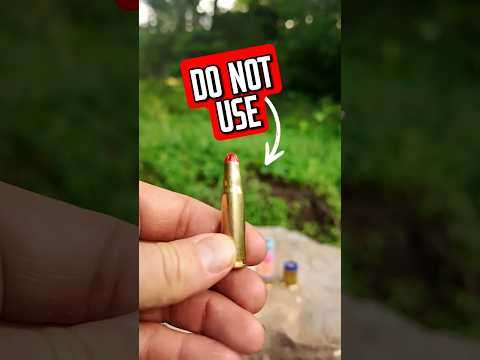
LESS LETHAL 50 BMG ???

Published on August 15, 2022
Duration: 12:05

This video from Kentucky Ballistics explores the effectiveness of 'less lethal' .50 BMG training ammunition. Expert instructor Scott demonstrates its performance on various targets, including food, a ballistic dummy, and a vehicle. The tests reveal that while designed for reduced risk, this ammunition can still inflict significant damage at close range, highlighting the importance of understanding terminal ballistics even with training rounds.


Quick Summary

'Less lethal' .50 BMG training ammunition, featuring plastic bullets and cases, was tested on various targets including food, a ballistic dummy, and a minivan. While designed for reduced risk, the rounds showed significant internal damage potential on the dummy at close range and impacted the vehicle door with force, though without full penetration.

Chapters

  1. 00:00Introduction to Less Lethal .50 BMG
  2. 01:15Ammunition Comparison
  3. 02:30Rifle Setup and Remote Firing
  4. 05:25Ballistic Testing: Food Targets
  5. 07:07Lethality Test: Zombie Torso
  6. 10:14Vehicle Penetration Test

Frequently Asked Questions

What is 'less lethal' .50 BMG ammunition?

'Less lethal' .50 BMG ammunition typically refers to military training rounds designed with reduced risk factors, often featuring plastic bullets and cases. While intended for safer training, their actual lethality at close range still needs careful consideration and testing.

How was the Serbu RN-50 rifle used in the test?

The Serbu RN-50 rifle, chambered in .50 BMG and equipped with a Vortex optic, was used as the platform for testing the 'less lethal' ammunition. Due to the ammunition's unknown surplus nature, a remote string-pull firing method was employed for safety.

What were the results of testing the plastic .50 BMG rounds on a ballistic dummy?

Testing the plastic .50 BMG rounds on a Ballistic Dummy Labs zombie torso revealed significant internal damage to the chest and abdomen. This indicated that the training ammunition remains highly lethal at close engagement distances.

Did the plastic .50 BMG round penetrate a vehicle door?

No, the plastic .50 BMG round did not penetrate the metal door of the minivan. It did, however, create a substantial dent and a hole in the outer skin of the door, demonstrating considerable impact force.

More Tactical & Gear Videos You Might Like

More from Kentucky Ballistics

View all →