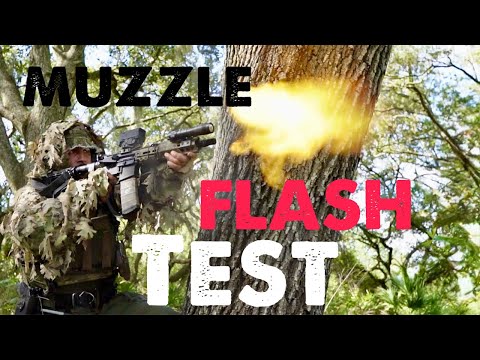
Muzzle Brakes: Just Say No

Published on December 9, 2020
Duration: 4:01

This guide, informed by an experienced firearms instructor, details the significant drawbacks of muzzle brakes and compensators, primarily their excessive muzzle flash and concussion, which are detrimental in low-light and night vision scenarios. It contrasts their performance with flash hiders like the YHM Phantom and White Sound FOSSA 556, emphasizing the importance of ammunition choice (e.g., Speer Gold Dot vs. Tula) in managing flash. The expert recommends prioritizing flash hiders or suppressors over aggressive brakes for tactical applications.

Quick Summary

Muzzle brakes and compensators create excessive muzzle flash, which is detrimental for low-light shooting and night vision by temporarily blinding the shooter and degrading vision. Experts recommend flash hiders (e.g., YHM Phantom, White Sound FOSSA 556) or suppressors for signature reduction, and suggest using low-flash ammunition like Speer Gold Dot when possible.

Chapters

  1. 00:00The Problem with Muzzle Brakes
  2. 00:39Compensator Performance vs. Flash
  3. 01:15Flash Hider Alternatives
  4. 01:53Testing Specific Models
  5. 02:45Ammunition Impact on Flash
  6. 03:23Final Recommendations

Frequently Asked Questions

Why are muzzle brakes problematic for low-light shooting?

Muzzle brakes and compensators create significant muzzle flash. In low-light conditions, this intense flash can temporarily blind the shooter and severely degrade their natural night vision, making follow-up shots difficult and potentially dangerous.

What are better alternatives to muzzle brakes for reducing muzzle flash?

For reducing muzzle flash, especially in low-light or night vision scenarios, dedicated flash hiders like the YHM Phantom or White Sound FOSSA 556 are recommended. Suppressors are also highly effective at eliminating flash.

How does ammunition affect muzzle flash when using a muzzle brake?

Ammunition plays a crucial role. Cheaper range ammunition often produces larger, brighter flashes. High-quality self-defense rounds, such as Speer Gold Dot, utilize low-flash powder additives that significantly reduce the visible signature, even when paired with aggressive muzzle devices.

What is 'night vision blooming' caused by muzzle flash?

Night vision blooming occurs when intense muzzle flash overwhelms the image intensifier tubes in night vision devices. This creates temporary bright spots or 'blooms' within the field of view, obscuring the target and surroundings.

Related News

All News →

More Tactical & Gear Videos You Might Like

More from Hop

View all →