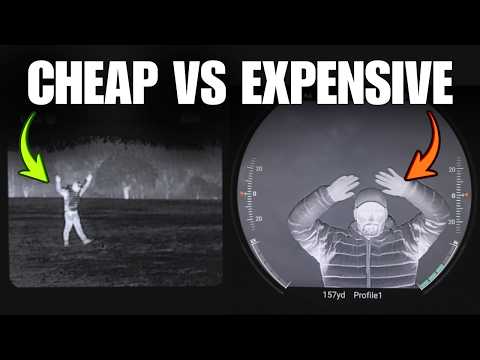
Night Vision is better?

Published on October 16, 2024
Duration: 2:31

This video explains the advantages of night vision (NVG) over thermal imaging for dynamic tactical situations, particularly in urban environments. NVGs offer superior depth perception, a wider field of view, and zero magnification, allowing for quicker navigation and engagement. Thermal imaging, while useful in specific scenarios like identifying heat signatures through smoke or in natural environments, can suffer from false readings and a narrower field of view in complex urban settings.

Quick Summary

Night vision (NVG) offers superior depth perception and a wider field of view compared to thermal imaging, making it ideal for dynamic tactical situations like urban CQB. NVGs provide lag-free, analog imagery, enabling quicker reactions and navigation, while thermal can suffer from false readings in busy urban environments.

Chapters

  1. 00:00NVG vs Thermal: What's Better?
  2. 00:02Depth Perception and Field of View
  3. 00:18Navigating Dynamic Situations
  4. 00:27Multiple Tubes in NVGs
  5. 00:43Magnification Differences
  6. 01:00Analog vs. Digital Speed
  7. 01:18Urban Environments and CQB
  8. 01:34Infrared Lasers
  9. 01:37Thermal False Readings
  10. 01:47Where Thermal Shines
  11. 01:58Thermal in Urban Settings
  12. 02:18NVG for Dynamic Targeting & Driving
  13. 02:23Driving with Thermal: A Warning

Frequently Asked Questions

What are the primary advantages of night vision (NVG) over thermal imaging for tactical use?

Night vision offers superior depth perception and a wider field of view, crucial for navigating dynamic situations like CQB. Its analog nature provides lag-free imagery, allowing for quicker reactions and more precise movement compared to digital thermal systems.

In which environments does night vision perform better than thermal imaging?

Night vision is generally superior in urban environments and for close-quarters combat (CQB) due to its depth perception and wider field of view. It allows for faster navigation and engagement, whereas thermal can be hampered by false heat signatures in such settings.

When is thermal imaging a more suitable choice for tactical observation?

Thermal imaging excels in natural environments like forests or mountains, or when detecting heat signatures through obscurants such as smoke or fog. It's also useful for identifying hidden individuals by their body heat, especially in situations where visual identification is impossible.

What is the main drawback of thermal imaging in urban tactical scenarios?

A significant drawback of thermal imaging in urban areas is the potential for false thermal readings. The abundance of heat sources from buildings, vehicles, and other environmental factors can create misleading images, making it harder to distinguish genuine threats.

Related News

All News →

More Tactical & Gear Videos You Might Like

More from FalconClaw

View all →