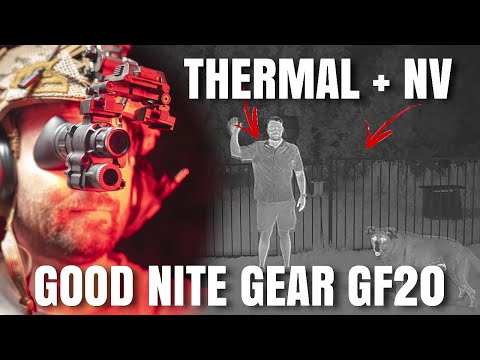
NVG + Thermal = Fusion 🟢🟠🟢

Published on June 12, 2025
Duration: 0:38

This video demonstrates the effectiveness of fusion optics, combining NVG and thermal imaging for superior target acquisition in low-light conditions. The speaker highlights tactical coordination and rapid target engagement capabilities. The Fusion Night Vision/Thermal Device features a green phosphor display with an orange thermal overlay and a HUD with compass and battery status.

Quick Summary

Fusion optics combine Night Vision Goggles (NVG) and Thermal Imaging into one view. This enhances target acquisition by showing amplified light and heat signatures, allowing clear identification even in darkness or shadows, significantly speeding up engagement.

Chapters

  1. 00:00Intro: NVG + Thermal Fusion Question
  2. 00:09Tactical Coordination with Fusion Optics
  3. 00:19Target Engagement with Fusion

Frequently Asked Questions

What is a fusion optic in night vision?

A fusion optic combines two different imaging technologies, typically Night Vision Goggles (NVG) and Thermal Imaging, into a single view. This allows users to see both the amplified light from NVGs and the heat signatures from thermal, enhancing target detection in various low-light and obscured conditions.

How does combining NVG and thermal improve target acquisition?

Combining NVG and thermal provides a layered view. NVG amplifies available light for general visibility, while thermal highlights heat signatures, making targets stand out clearly even in complete darkness, smoke, or camouflage. This dual-spectrum view significantly speeds up identification and engagement.

What features are visible on the Fusion Night Vision/Thermal Device HUD?

The Heads-Up Display (HUD) on this Fusion Night Vision/Thermal Device typically shows critical operational data. This includes a compass for directional awareness, battery status to monitor power levels, and mode indicators to confirm the device's current settings and functionality.

Can thermal imaging detect targets in shadows?

Yes, thermal imaging excels at detecting targets in shadows or low-light conditions because it relies on heat signatures rather than visible light. Even if a target is obscured by darkness or environmental shadows, their body heat will still be visible as a distinct outline on the thermal display.

More Tactical & Gear Videos You Might Like

More from FalconClaw

View all →