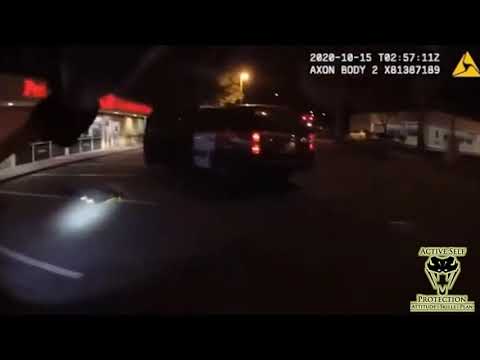
Officer Forced To Respond To Emotionally Unstable Man | Active Self Protection

Published on December 9, 2018
Duration: 7:47

This video from Active Self Protection, featuring John Correia, analyzes a critical incident where an officer responded to an emotionally unstable man. The analysis highlights the challenges of dealing with EDPs, the potential ineffectiveness of Tasers, and the critical importance of transitioning to a firearm when faced with a direct, escalating threat. Correia emphasizes tactical movement and maintaining distance as key officer safety principles.

Quick Summary

John Correia of Active Self Protection analyzes an officer's response to an emotionally unstable person. Key takeaways include the challenges of EDP encounters, the potential ineffectiveness of Tasers, and the critical need for officers to transition to their firearm if a less-lethal tool fails against a charging threat. Tactical movement and distance management are emphasized for officer safety.

Chapters

  1. 00:00Introduction & Incident Overview
  2. 00:51Initial Contact & Suspect Behavior
  3. 01:19Suspect Flees into Traffic
  4. 02:21Taser Deployment & Escalation
  5. 03:23Lessons Learned: EDP Encounters
  6. 04:39Taser Effectiveness Analysis
  7. 05:46Tactical Movement & Distance

Frequently Asked Questions

What are the key challenges when responding to an emotionally unstable person (EDP)?

Responding to EDPs involves unpredictable behavior, resistance to commands, and potential difficulty in physical control. Their actions can escalate rapidly, requiring officers to be adaptable and prepared for non-standard confrontations, as seen in this Richmond, Virginia incident.

Why might a Taser fail in a critical incident?

Taser effectiveness can be reduced by factors like clothing, distance, or the subject's physical state. As highlighted by John Correia, officers must anticipate potential Taser failure and be ready to transition to their duty firearm if the threat persists.

What tactical advice is given regarding distance in a confrontation?

Maintaining distance is crucial, especially when dealing with a charging suspect. John Correia advises officers to 'give ground' to preserve space, as firearms are distance weapons and close-quarters entanglement can be disadvantageous.

What gear was visible during the Active Self Protection incident analysis?

The incident involved an Axon Body 2 body camera, a Taser less-lethal device, and the officer's duty sidearm, a semi-automatic pistol. The analysis emphasizes the importance of these tools and their effective deployment.

More Tactical & Gear Videos You Might Like

More from Active Self Protection

View all →