Officer Shoots Fleeing Armed Suspect

Published on December 3, 2021
Duration: 6:06

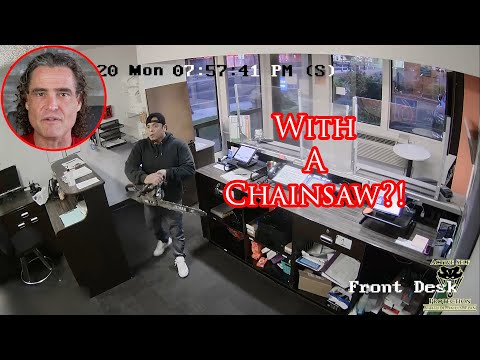
This analysis from Active Self Protection, featuring John Correia and Mike Willver, breaks down a critical incident involving an officer shooting a fleeing armed suspect. It covers tactical considerations like the use of high-candela lights, legal aspects of verbal warnings, and crucial post-incident procedures for officers. The instruction emphasizes careful articulation of perceived threats and potential jury perception.

Quick Summary

Expert analysis from Active Self Protection emphasizes the importance of high-candela tactical lights for threat identification and advises officers to delay formal statements for 48-72 hours post-incident. Clear, non-profane verbal commands are crucial to avoid negative jury perception.

Chapters

  1. 00:00Introduction and Context
  2. 00:41Incident Footage
  3. 02:01Tactical Analysis: Low Light Tools
  4. 03:16Verbal Commands and Legal Liability
  5. 04:13Post-Incident Articulation

Frequently Asked Questions

What are key tactical considerations when facing an armed suspect in a pursuit?

Key considerations include the effective use of high-candela tactical lights for threat identification in low-light conditions and the importance of clear, legally defensible verbal commands. Proper equipment and communication are vital.

Why is it important for officers to delay making a formal statement after a shooting?

Delaying a formal statement for 48-72 hours allows officers to better recall the events, articulate the perceived threat accurately, and manage the emotional and physiological stress of the incident, leading to a more comprehensive and legally sound statement.

What type of lighting is recommended for tactical situations?

High-candela tactical lights, both handheld and weapon-mounted, are recommended. This refers to the intensity of the light, which is crucial for penetrating darkness and identifying threats effectively, especially at a distance or through barriers.

What advice is given regarding verbal commands during a critical incident?

Officers are advised to use clear, concise verbal commands and avoid profanity or overly aggressive language. Such language can be negatively interpreted by a civil jury and potentially harm the officer's legal standing.

Related News

All News →

More Tactical & Gear Videos You Might Like

More from Active Self Protection

View all →