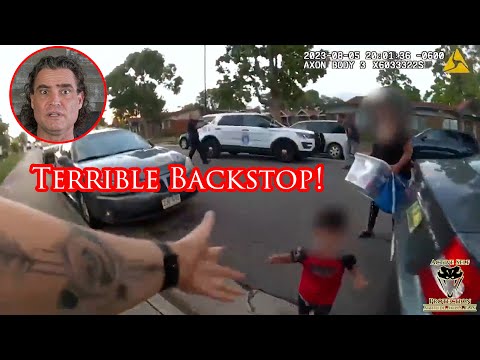
Officer Shows Great Heart But Makes Tactics Mistakes Leading to Bad Injury

Published on December 26, 2023
Duration: 27:20

This video analyzes a critical incident where an officer, despite employing good de-escalation techniques, sustained a severe injury due to a concealed weapon. The analysis highlights the crucial balance between rapport building and maintaining tactical safety, emphasizing the importance of clearing subject's hands and the necessity of readily accessible trauma medical kits. The expert commentary underscores common tactical errors that can lead to vulnerability in high-stress encounters.

Quick Summary

Expert analysis of an officer's injury during a mental health call reveals critical tactical errors, including failure to clear the subject's hands and inadequate reactionary gap maintenance. The video stresses the vital importance of trauma medical kits for survival and balances de-escalation techniques with essential officer safety protocols.

Chapters

  1. 00:00Introduction and Context
  2. 00:57Crisis Intervention and Rapport Building
  3. 04:45The Stabbing Incident
  4. 05:38Importance of Trauma Gear
  5. 06:01Tactical Analysis: Rapport vs. Safety
  6. 06:34Tactical Positioning and Readiness

Frequently Asked Questions

What tactical mistake led to the officer's injury in the video?

The primary tactical mistake was the failure to clear the subject's hands, allowing a concealed knife to be used in a surprise attack within the reactionary gap. This highlights the critical need to balance de-escalation with immediate threat assessment.

Why is maintaining a reactionary gap important during subject interactions?

The reactionary gap is the minimum distance needed to react to a threat. Maintaining it provides crucial time to defend against sudden attacks, such as a knife thrust, preventing an officer from being immediately overwhelmed.

What role does trauma medical gear play in officer survival?

Trauma medical kits, like the ankle kit mentioned, are essential for immediate hemorrhage control. In this case, prompt application of such gear likely contributed to the officer's survival despite a severe neck wound.

How can officers balance de-escalation with safety?

Officers must balance de-escalation by maintaining rapport and using empathetic communication with fundamental safety protocols. This includes always assessing for threats, clearing hands, and maintaining an appropriate reactionary gap, even when the situation appears calm.

More Tactical & Gear Videos You Might Like

More from Active Self Protection

View all →