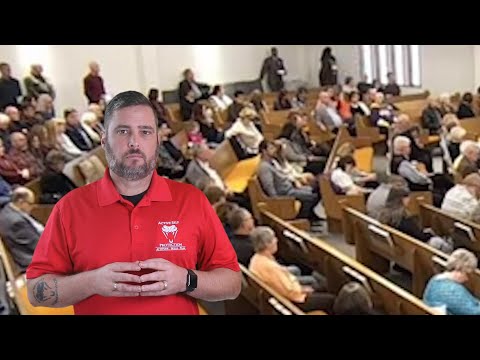
Protecting Houses Of Worship - Developing A Church Security Plan

Published on November 6, 2018
Duration: 9:35

This expert guide from USCCA outlines the critical steps for developing a comprehensive security plan for houses of worship. It emphasizes the importance of threat and vulnerability assessments, forming and training a dedicated security team, implementing effective communication and technology, and fostering collaboration with law enforcement. The guide also stresses the need to understand legal and ethical considerations for self-defense.


Quick Summary

Developing a church security plan involves conducting threat and vulnerability assessments, establishing and training a dedicated security team, implementing clear communication and technology, and collaborating with law enforcement. Understanding legal and ethical guidelines for self-defense is also crucial for protecting congregants effectively.

Chapters

  1. 00:00Introduction to Church Security
  2. 00:15Vulnerability of Houses of Worship
  3. 00:45Initial Security Plan Steps
  4. 01:20Forming a Security Team
  5. 01:55Training and Drills Importance
  6. 02:40Communication and Technology
  7. 03:20Law Enforcement Collaboration
  8. 03:55Legal and Ethical Considerations
  9. 04:30Conclusion and Resources

Frequently Asked Questions

What are the first steps in developing a church security plan?

Begin by conducting a thorough threat assessment to identify potential risks and a vulnerability assessment to pinpoint existing security weaknesses. These initial steps are crucial for understanding your specific needs and developing an effective plan.

Why is training and drills important for a church security team?

Regular training and drills are paramount for a security team's effectiveness. They ensure the team is prepared to handle various scenarios, including de-escalation, first aid, and active shooter response, improving overall readiness and response times.

How important is collaboration with law enforcement for church security?

Building strong relationships and collaborating with local law enforcement is vital. This partnership can improve response times during emergencies and provide valuable expert insights to enhance your security plan and protocols.

What legal and ethical considerations are important for church security?

It's essential to understand state and local laws concerning self-defense and firearm carry in places of worship. Furthermore, emphasizing ethical considerations and the proper use of force is critical for responsible security planning and execution.

Related News

All News →

More Tactical & Gear Videos You Might Like

More from USCCA

View all →