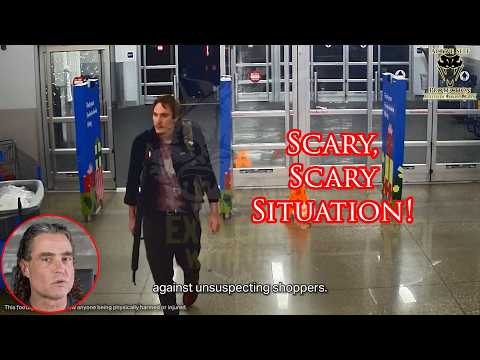
Reno Cops Have To Act Fast To Stop Active Shooter

Published on October 16, 2025
Duration: 17:12

This guide details critical response tactics for active shooter incidents, drawing from expert analysis of a real-world event in Reno, Nevada. It emphasizes immediate threat engagement, effective use of patrol vehicles for cover, team-based suspect apprehension, and proper equipment management. The analysis highlights the importance of accuracy in rifle fire and the tactical deployment of shotguns with specialized ammunition.

Quick Summary

Expert analysis of an active shooter incident in Reno, Nevada, highlights critical response tactics. Key takeaways include immediate threat engagement, utilizing patrol vehicles for cover, prioritizing accurate rifle fire, and the tactical deployment of shotguns with specialized ammunition like Federal FliteControl buckshot. Proper sling management is also emphasized to prevent equipment-related hazards.

Chapters

  1. 00:00Incident Introduction & Location
  2. 00:33POM Pepper Spray Advertisement
  3. 01:10Context of the Shooting
  4. 01:39Engagement Footage & Officer Response
  5. 02:29Securing the Suspect
  6. 03:25Personal LEO Experience & Mental Prep
  7. 05:30Tactical Analysis: Vehicle Use
  8. 07:52Rifle Fire & Suppressive Fire Discussion
  9. 10:25Defensive Shotgun Analysis
  10. 14:42Sling Management Critique

Frequently Asked Questions

What are key tactical considerations for law enforcement during an active shooter incident?

Officers should immediately assess and approach the threat, using patrol vehicles for cover. Accurate rifle fire is prioritized, with shotguns effective at close-to-medium range. Teamwork is crucial for securing the suspect and ensuring the scene is safe.

How can officers effectively use their patrol vehicles in an active shooter situation?

Patrol vehicles can serve as vital cover during an approach and engagement. Officers can fire from the vehicle or use it to block lines of sight or approach the suspect's location, as seen in the Reno incident.

What is the tactical advantage of Federal FliteControl buckshot?

Federal FliteControl buckshot is designed for consistent, tight patterns, typically an 8-inch circle at 30-35 yards. This enhances the effectiveness of pump-action shotguns at tactical distances.

What common equipment mistake should officers avoid during active shooter responses?

Officers should ensure their rifle slings are properly managed, typically worn over the neck, to prevent snagging on doors, vehicles, or other obstacles. This allows for smoother transitions and maintains operational readiness.

More Tactical & Gear Videos You Might Like

More from Active Self Protection

View all →