Sleeping is scary 😶

Published on October 8, 2024
Duration: 1:01

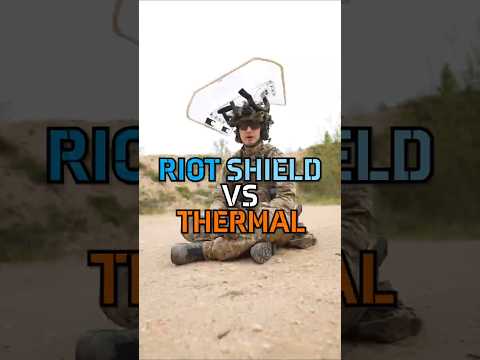
This expert guide details thermal concealment techniques, drawing from practical demonstrations by FalconClaw. It covers using thermal drones for detection at 120 meters and emphasizes the critical role of an air gap when using concealment tarps to effectively mask heat signatures from thermal imaging. The information is presented with a high degree of authority, reflecting practical fieldcraft.

Quick Summary

Expert thermal drone surveillance can detect personnel in sleeping bags from 120 meters. For effective concealment, use a tarp with an air gap between it and the body. This technique, utilizing modes like Black-hot, masks heat signatures, making individuals nearly undetectable.

Chapters

  1. 00:00Introduction & Drone Detection
  2. 00:15Concealment Limitations
  3. 00:30Effective Thermal Masking

Frequently Asked Questions

How high can a thermal drone detect people?

A thermal drone can detect heat signatures of personnel in sleeping bags or woobies from an altitude of approximately 120 meters, as demonstrated in tactical fieldcraft scenarios.

What is the best way to use a tarp for thermal concealment?

For optimal thermal masking, a tarp should be spaced away from the body to create an air gap. This significantly reduces the heat signature visible to thermal imaging, making detection much more difficult.

What are the different thermal imaging modes?

Common thermal imaging modes include White-hot, Red-hot, and Black-hot. Each mode displays heat signatures differently, with Black-hot often being effective for assessing concealment effectiveness when used with proper masking techniques.

Can a thermal drone see through a tarp?

While a tarp can offer concealment, a thermal drone might still detect heat signatures underneath if angled correctly to look beneath the tarp. Maintaining an air gap behind the tarp is crucial for effective masking.

More Tactical & Gear Videos You Might Like

More from FalconClaw

View all →