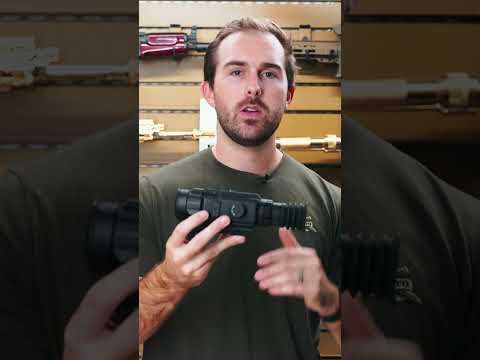
The Future of Optics isn't Glass - Evolution is coming

Published on June 9, 2026
Duration: 11:59

The future of firearm optics is shifting from traditional glass lenses to digital systems, offering enhanced visibility, information layering, and advanced features like thermal imaging and laser rangefinding. Digital optics, utilizing sensors similar to digital cameras, can see beyond the natural human visual spectrum, providing significant advantages in low-light conditions and for identifying targets. While regulatory hurdles exist, digital and hybrid optic technologies represent the next evolution in aiming solutions for firearms.


Quick Summary

The future of firearm optics is transitioning from traditional glass lenses to advanced digital systems, including thermal imaging. These digital optics offer superior low-light performance, the ability to see beyond the natural light spectrum, and features like internal recording and laser rangefinding, making them a significant evolution for hunting and tactical applications.

Chapters

  1. 00:00Introduction to Evolving Optics
  2. 00:14From Iron Sights to Thermals
  3. 00:35What is a Thermal Optic?
  4. 00:45The Digital Future of Optics
  5. 01:06OneLeaf.ai Mars Mini Thermal Optic
  6. 01:27Getting Involved in the Firearms Business
  7. 01:40Mars Mini High-Level Features
  8. 01:53Focusable Eyepiece and Display
  9. 02:28Mounting Options and Accessories
  10. 02:42Thermal Targets and Zeroing
  11. 03:05Replaceable Rechargeable Batteries
  12. 03:44Interchangeable Lenses
  13. 03:54Control Panel and Laser Rangefinder
  14. 04:09Miniaturization of Technology
  15. 04:19Digital Camera Sensor Advantages
  16. 04:39Limitations of Traditional Optics
  17. 04:57Hybrid Systems and Future Outlook
  18. 05:11Shooting with the Mars Mini
  19. 05:38Digital Sights as the Path Forward
  20. 06:24Recording Hunts with Thermal Optics
  21. 06:46Limitations of Thermal Optics
  22. 07:07Conclusion and Support

Frequently Asked Questions

What is the main trend in the future of firearm optics?

The primary trend is the shift from traditional glass optics to digital systems. These digital optics, often utilizing thermal imaging or advanced sensors, offer enhanced visibility, the ability to see in different light spectrums, and the potential to layer information, making them superior to older technologies.

What are the advantages of digital thermal optics over traditional glass optics?

Digital thermal optics can see in complete darkness by detecting heat signatures, unlike traditional glass optics which rely on ambient light. They also offer features like internal recording, adjustable color palettes, and the potential for future software updates, providing greater versatility and performance.

What is the OneLeaf.ai Mars Mini optic and what are its key features?

The OneLeaf.ai Mars Mini is a compact thermal optic featuring a 640 sensor, a 720x720 touch-sensitive display, an integrated laser rangefinder, and interchangeable lenses. It supports various mounting solutions and uses rechargeable batteries, making it a versatile and advanced aiming device.

Can digital thermal optics be used on handguns?

Yes, digital thermal optics are becoming small enough to be mounted on handguns. The OneLeaf.ai Mars Mini, for example, is so compact that it can be adapted for handgun use with specific mounting plates like the RMSC or Glock MOS adapters.

Related News

All News →

More Tactical & Gear Videos You Might Like

More from Military Arms Channel

View all →