How Much Thermal Resolution Do You Need?

Published on May 2, 2026
Duration: 10:22

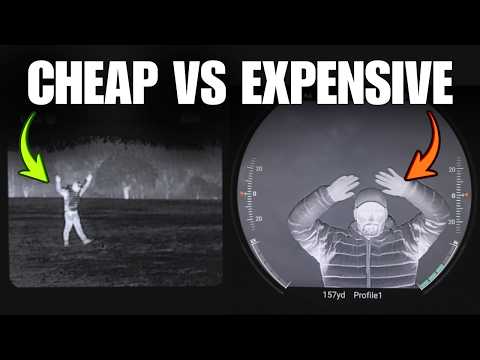
This video provides a detailed comparison of thermal optics with 256, 384, and 640 core resolutions. It demonstrates how higher core resolution significantly improves target identification at various distances, particularly for distinguishing animals like deer from other potential targets. The comparison also highlights the impact of resolution on the zeroing process, with higher resolutions making it easier to see impacts on paper targets.


Quick Summary

Higher thermal core resolution (384 or 640) significantly improves target identification at longer distances and simplifies firearm zeroing by clearly displaying bullet impacts on paper targets, unlike lower 256 core resolutions which can be pixelated and obscure details.

Chapters

  1. 00:01Introduction: Thermal Core Comparison
  2. 00:14Visual Comparison Setup
  3. 00:29Diminishing Returns & Money Well Spent?
  4. 00:36Close Range (10 Yards) Performance
  5. 00:42Pushing the Distance
  6. 00:59Animal Target Example (Remy)
  7. 01:10Sponsorship Disclosure & Discount Code
  8. 01:32Technical Specifications Overview
  9. 01:44Magnification & Lens Differences
  10. 02:01640 Core: Focal Range & Disadvantage
  11. 02:09100-Yard Target Comparison
  12. 02:26Deciding What Resolution is Enough
  13. 02:46Side-by-Side 100-Yard Footage
  14. 03:43Finger Count Test
  15. 04:27Whole Hand Test
  16. 04:30Practical Test: Deer at 350 Yards
  17. 04:43256 Core: Detection vs. Identification
  18. 05:08384 Core: Improved Resolution & Confidence
  19. 05:44640 Core: 100% Confidence at 350 Yards
  20. 05:57Asking Yourself: How Far Do You Need to Identify?
  21. 06:06More is Better
  22. 06:21Side-by-Side Synchronization
  23. 06:43Leg Detail Comparison
  24. 06:56Pixel Peeping: 256 Core Deer Identification
  25. 06:58Impact Visibility: Zeroing Targets
  26. 07:12256 Core: Impact Visibility on Paper
  27. 07:35Zeroing Difficulty with Lower Resolution
  28. 07:51384 Core: Impact Visibility & Zeroing Ease
  29. 08:33640 Core: Impact Visibility & Zeroing Precision
  30. 09:07Zeroing Perspective: 384 vs 640
  31. 09:25Side-by-Side Zeroing Comparison
  32. 09:30256 Core Zeroing Difficulty at 100 Yards
  33. 09:45Final Comparison for Decision Making
  34. 09:55Conclusion & Learning from Comparisons
  35. 10:11Call to Action: Subscribe

Frequently Asked Questions

What is the main difference between 256, 384, and 640 core thermal optics?

The primary difference lies in their resolution, which dictates the level of detail and clarity they can display. Higher core resolutions like 384 and 640 offer significantly better target identification, especially at longer distances, compared to the 256 core, which can appear pixelated.

How does thermal core resolution affect zeroing a firearm?

Higher thermal core resolution, such as 384 or 640, makes zeroing firearms much easier. These higher resolutions allow you to clearly see bullet impacts on paper targets, unlike lower resolutions like 256, which can obscure impacts and complicate the zeroing process.

Is a 256 core thermal optic sufficient for hunting?

A 256 core thermal is generally good for detection, meaning you can see that something is there. However, at longer distances, it struggles with positive identification, potentially leading to misidentification. For reliable identification, especially at range, a 384 or 640 core is recommended.

What is NETD in thermal optics?

NETD stands for Noise Equivalent Temperature Difference. It's a measure of a thermal sensor's sensitivity. A lower NETD value, like that found in higher-resolution cores such as the 640, indicates better sensitivity and the ability to detect smaller temperature differences.

More Tactical & Gear Videos You Might Like

More from 4MR Ranch

View all →