Utah Officers Respond To Suicide Threat

Published on July 21, 2021
Duration: 10:32

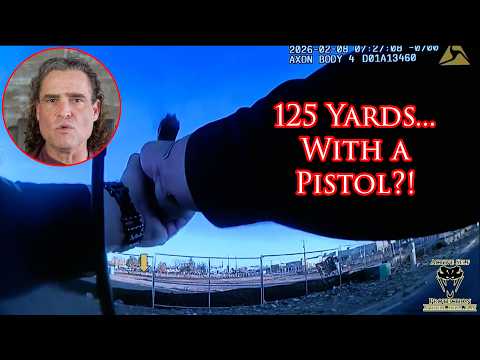
This analysis from Active Self Protection, featuring veteran law enforcement officer Mike Willover and tactical analyst John Correia, breaks down a critical incident response in Weber County, Utah. It highlights crucial tactical considerations for officers facing mental health crises, emphasizing weapon retention, communication protocols under stress, and the importance of immediate medical preparedness. The segment also underscores the dangers of misidentification of threats, as seen with the airsoft gun.

Quick Summary

Expert analysis from Active Self Protection breaks down a critical incident response in Weber County, Utah, involving a suicide threat. Key takeaways include the tactical advantage of the 'low ready' stance for situational awareness, the critical importance of threat neutralization before radio communication, and the inherent dangers of mental health calls for law enforcement. The segment also highlights the role of bodycam footage and the potential for misidentification of threats.

Chapters

  1. 00:00Introduction and Sponsorship
  2. 00:38Incident Bodycam Footage
  3. 02:12Danger of Mental Health Calls
  4. 04:07Tactical Positioning and Low Ready
  5. 05:24Radio Communication Under Stress
  6. 07:19Medical Preparedness
  7. 08:00Surveillance Review and Marksmanship

Frequently Asked Questions

What are the primary dangers of responding to mental health calls for law enforcement?

Mental health calls, especially suicide threats, are highly dangerous for officers because subjects are often unpredictable and may escalate violently. Officers can become the last resort when other social services fail to manage a volatile individual, increasing the risk of confrontation.

Why is the 'low ready' weapon stance recommended in tactical situations?

The 'low ready' stance is recommended because it allows officers to maintain a better field of view, particularly of the suspect's hands, without directly pointing the firearm at them. This improves situational awareness and reduces the risk of accidental engagement.

What tactical error did the officer make regarding radio communication?

The officer reportedly used the radio to report 'shots fired' while still actively engaged with the threat. The tactical recommendation is to neutralize the threat and secure the area first before attempting radio communication.

What role do airsoft guns play in officer-involved incidents?

Airsoft guns can be mistaken for real firearms, leading to tragic outcomes. As seen in this case, an officer fired upon a suspect holding an airsoft gun, highlighting the critical need for rapid threat assessment and the potential for misidentification.

Related News

All News →

More Tactical & Gear Videos You Might Like

More from Active Self Protection

View all →