What Would You Do: Approaching Suspicious People in Low-Light | FPD Trainers Corner

Published on May 12, 2019
Duration: 6:05

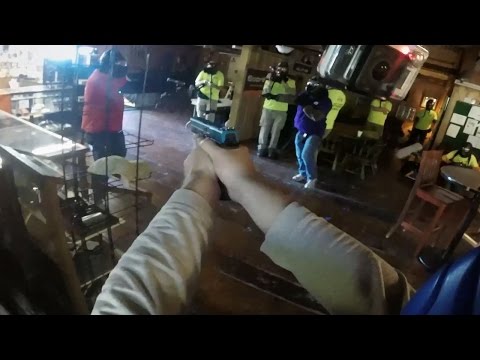
This video from FPD Trainers Corner features Chris Cerino demonstrating tactical approaches to suspicious individuals in low-light conditions. Cerino emphasizes the critical role of a tactical flashlight for navigation, identification, and engagement. He walks through several scenarios, including car break-ins and backyard intrusions, highlighting the importance of immediate threat assessment, verbal engagement, and decisive action when necessary, while also differentiating civilian responses from law enforcement duties.


Quick Summary

In low-light situations, a tactical flashlight is essential for navigation, locating potential threats, and identification. Chris Cerino emphasizes having your firearm and flashlight ready, using verbal commands, and employing cover and concealment when engaging suspicious individuals or active threats.

Chapters

  1. 00:04Introduction to Trainers and Scenarios
  2. 00:30Low-Light Scenario Setup & Flashlight Importance
  3. 00:53Car Break-in Scenario Execution
  4. 01:14Scenario Debrief: Flashlight Usage & Cover
  5. 01:44Importance of Flashlights for Navigation & Identification
  6. 02:40Backyard Intruder Scenario Setup
  7. 02:50Backyard Intruder Scenario Execution
  8. 03:15Scenario Debrief: Surprise & Quick Identification
  9. 04:06Public Restroom Vagrant Scenario Setup
  10. 04:21Public Restroom Vagrant Scenario Execution & Debrief
  11. 05:13Parking Garage Car Break-in Scenario Setup
  12. 05:22Parking Garage Car Break-in Scenario Execution
  13. 05:49Scenario Debrief: Challenging Conditions & Missed Shots

Frequently Asked Questions

What are the key functions of a tactical flashlight in low-light self-defense scenarios?

A tactical flashlight is crucial in low-light for three main purposes: navigating your environment safely, locating potential threats or items of interest, and accurately identifying any threats present. It provides the necessary illumination for situational awareness and decision-making when natural light is insufficient.

How should one approach suspicious individuals in low-light conditions?

In low-light, approach suspicious individuals by having your firearm and flashlight ready. Use the flashlight to illuminate them, issue clear verbal commands, and assess their reaction. Be prepared to use cover and concealment while maintaining visual contact and readiness to defend yourself if a threat emerges.

What is the difference between momentary-on and constant-on flashlight switches for tactical use?

Momentary-on switches activate the light only while the button is pressed, requiring continuous finger pressure. Constant-on switches allow the light to be turned on and off with separate clicks. For firearm manipulation, constant-on can be advantageous to avoid coordinating trigger and light activation simultaneously.

Why is it important to use cover and concealment when engaging a threat in low-light?

Using cover and concealment is vital in low-light engagements to protect yourself from incoming fire and to break line of sight. It allows you to reposition, reassess, and potentially gain an advantage while minimizing your exposure to the threat, especially in challenging, unpredictable environments.

More Tactical & Gear Videos You Might Like

More from Gun Talk Media

View all →