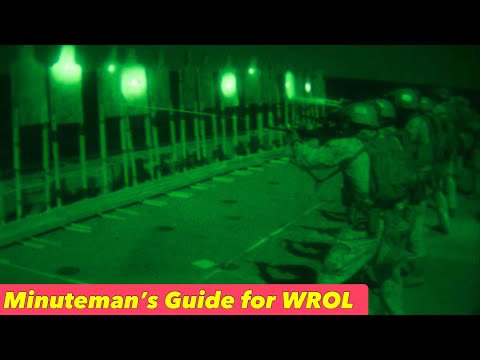
Which NV Is Right For You? (PVS 14 vs Dual Tube vs Quad Tube)

Published on August 1, 2025
Duration: 9:56

This video provides a foundational overview of different night vision device (NVD) types, including monocular PVS-14s, dual-tube systems (like RNVGs), and quad-tube systems. It highlights key differences in field of view, weight, power requirements, and cost, emphasizing that the best choice depends on individual needs and budget. The discussion also touches on active vs. passive aiming and the importance of IR lasers for target acquisition in low-light conditions.

Quick Summary

Night vision devices come in monocular (PVS-14), dual-tube, and quad-tube configurations. PVS-14s are lighter and more affordable entry points. Dual-tube NVGs offer excellent clarity for tactical use, while quad-tubes provide a wider field of view but are heavier and require external power. Active aiming uses IR lasers, while passive aiming views through existing optics without emitting light.

Chapters

  1. 00:00Introduction to Night Vision Course
  2. 00:13Location: Q/Paloma Ranch, New Mexico
  3. 01:13Quad Tube NVG Overview (APVGs)
  4. 02:39Dual Tube NVG Overview (RNVGs)
  5. 03:07Target Acquisition at 236 Yards
  6. 03:30IR Laser and Illuminator Demonstration
  7. 04:04Accessory Integration (Wilcox, Surefire)
  8. 05:08IR Laser Demonstration on Rifle
  9. 06:05NVG Types and Brand Caution
  10. 06:22PVS-14 Monocular NVG Overview
  11. 07:31Active vs. Passive Aiming Explained
  12. 08:04Light Signature Demonstration
  13. 09:03Basic NVG Concepts Recap
  14. 09:18Viewer Engagement and Discussion

Frequently Asked Questions

What are the main differences between PVS-14, dual-tube, and quad-tube night vision devices?

PVS-14s are monocular, lighter, and more affordable entry-level options. Dual-tube NVGs offer excellent clarity and a good balance for tactical use. Quad-tube NVGs provide a wider field of view, ideal for specific applications like aviation, but are heavier and require external power.

What is active aiming versus passive aiming with night vision?

Active aiming uses an IR laser and illuminator, invisible to the naked eye but visible through NVGs, to target. Passive aiming involves viewing through your existing optics (red dot, LPVO) using the NVG without emitting any light, preserving your position.

Why is it important to choose the right night vision device?

The right night vision device depends on your intended use, budget, and desired features like field of view and weight. Consulting experts and understanding the trade-offs between different types (monocular, dual, quad) is crucial to avoid costly mistakes and ensure effective performance.

What are some recommended accessories for night vision setups?

Integrated accessories like the Wilcox RaedeX and Surefire Vampire Light, controlled via systems like the Unity Axon switch, enhance night vision capabilities. IR lasers and illuminators are essential for active aiming and target acquisition in low-light conditions.

More Tactical & Gear Videos You Might Like

More from ClassicFirearms

View all →