Why Top PRS Shooters Are Switching to This Brake

Published on April 9, 2026
Duration: 27:11

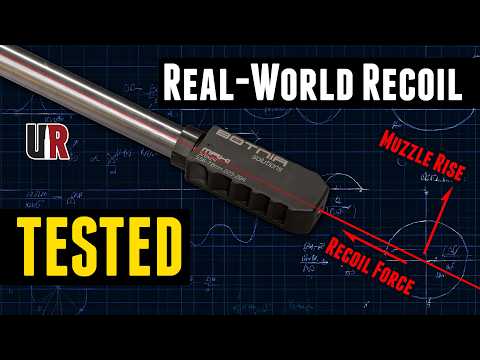
Tobias Lingren of Botnia Solutions details the engineering and design philosophy behind their advanced muzzle brakes, focusing on significant recoil and concussion reduction. The discussion covers computational fluid dynamics (CFD) used in development, manufacturing processes, and the critical factors for shooter performance in Precision Rifle Series (PRS) and other disciplines. The interview highlights how Botnia's designs aim to improve shooter comfort, target reacquisition, and overall rifle dynamics.


Quick Summary

Botnia Solutions muzzle brakes are engineered for significant recoil and concussion reduction, utilizing advanced CFD analysis to optimize gas flow. This design minimizes muzzle rise and felt concussion, allowing PRS shooters to stay on target for faster follow-up shots and reducing fatigue. Their focus on durability and proper gas exit angles ensures improved rifle tracking and shooter comfort.

Chapters

  1. 00:04Introduction to Botnia Solutions Brakes
  2. 00:35Initial Testing and Results
  3. 01:06Origin Story: The Need for Better Brakes
  4. 01:35World Championship Experience and Inspiration
  5. 02:30Early Design Concepts and Prototyping
  6. 03:52Muzzle Pressure and Durability Requirements
  7. 04:14Collaboration with Hawen Spur
  8. 05:08Subtractive vs. Additive Manufacturing
  9. 05:40Material Choice: Stainless Steel 316L
  10. 06:23Key Metrics: Recoil, Compensation, Concussion
  11. 07:35Balancing Performance and Safety
  12. 07:50Internal Design for Gas Management
  13. 08:32Gas Jet Dynamics: Mushroom Cloud vs. Slim Stream
  14. 08:55Maxi Series: Lowering Ground Concussion
  15. 09:32Measuring Concussive Forces
  16. 10:37CFD Modeling and Validation
  17. 11:11Evolution of CFD in Design
  18. 12:37Benefits of CFD for Prototyping
  19. 13:00Botnia's Current Product Lineup
  20. 13:11Sizing: Mini, Midi, Maxi, Mega
  21. 15:09Rifle Balance and Weight Distribution
  22. 16:15Gas Angle and Barrel Whip Dynamics
  23. 17:50Lessons from Older Models and Tunable Ports
  24. 19:22Stress on Action Screws
  25. 19:32Downward Force Management
  26. 20:52Anecdote: Ray Helms and DMR Competitions
  27. 21:19American Shooters Endorsing Botnia
  28. 22:48Future of Botnia Solutions
  29. 23:21Beyond Muzzle Devices: New Products
  30. 24:20Future Content and Viewer Questions
  31. 25:28Tobias's Plans for US Competition

Frequently Asked Questions

What makes Botnia Solutions muzzle brakes effective for PRS shooters?

Botnia Solutions muzzle brakes are engineered for significant recoil and concussion reduction, allowing shooters to stay on target for faster follow-up shots and reducing fatigue. Their designs utilize advanced CFD analysis to optimize gas flow, minimizing muzzle rise and felt concussion.

How does Botnia Solutions use CFD in their brake design?

Computational Fluid Dynamics (CFD) is integral to Botnia's design process. It allows them to simulate gas flow and pressure dynamics, test various geometries virtually, and optimize the expansion chambers and exit ports for maximum recoil reduction and minimal concussion before physical prototyping.

What are the key design considerations for Botnia muzzle brakes?

Key considerations include reducing rearward recoil forces, compensating to keep the muzzle down, and managing concussion for the shooter. They also focus on durability to withstand thousands of rounds and ensuring the brake's gas exit angle contributes to proper rifle tracking without excessive downward push.

Why are different sizes like Mini, Midi, and Maxi offered?

The different sizes cater to a wide range of rifle platforms, barrel profiles, and cartridges. This ensures optimal aesthetics and performance, as a larger brake might not suit a smaller rifle like an AR-15 chambered in .223, while larger calibers or ELR rifles benefit from the Maxi or Mega versions.

How do Botnia brakes affect rifle balance and weight?

The weight of the muzzle device is crucial for rifle balance. Heavier brakes like the Maxi can allow shooters to reduce weight in the fore-end, achieving the desired 50/50 balance. This can also contribute to inertia dampening, reducing barrel whip.

More Tactical & Gear Videos You Might Like

More from Ultimate Reloader

View all →