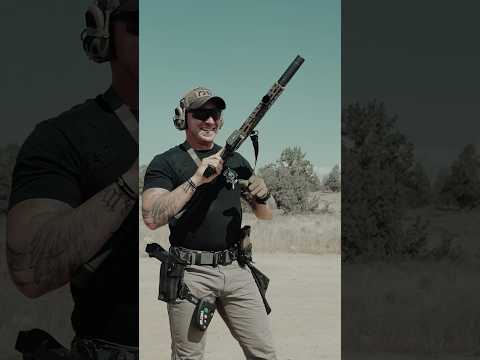
2022 SHOOTER SYMPOSIUM

Published on December 5, 2022
Duration: 15:44

This instructional content focuses on developing a sustainable, mobile, and adaptable shooting stance, emphasizing an 'engaged posture' over traditional 'kickstand' or compromised positions. The instructor, with clear authority derived from extensive experience, details how to maintain core stability and recoil management through proper hip and chest alignment, crucial for both rifle and pistol engagements. The techniques discussed are vital for dynamic shooting scenarios and ensuring shooter survivability.


Quick Summary

An engaged shooting posture is key for stability and recoil management. It involves driving the chest over the belt line and loading the front leg, creating a sustainable platform for rifle and pistol engagements. This contrasts with compromised stances that hinder accuracy and mobility.

Chapters

  1. 01:30Sight Radius and Target Focus
  2. 02:29Wobble Zone and Movement
  3. 03:03Optic Sight Radius Shrinkage
  4. 05:27Rifle Shoulder Connection and Posture
  5. 05:44Transitioning and Center Line Movement
  6. 05:59Sustainable and Adaptable Stance Principles
  7. 06:21Stance and Posture Isolation
  8. 06:35Recoil Control and Center Line Reset
  9. 07:30Engaged Posture Discipline
  10. 07:38Mechanical Offsets and RDS Focus
  11. 08:04Focusing on the Reticle vs. Target
  12. 09:01Target Focus with Red Dots
  13. 09:30Occluding Red Dot Lenses
  14. 10:00Consistent Fundamentals
  15. 10:16Fundamentals Remain the Same
  16. 10:21Marine Corps Rifle Stance vs. Engaged Posture
  17. 11:05Sustainability and Posture Importance
  18. 11:14Discipline, Stance, and Posture
  19. 11:26Athletic Stance Goals
  20. 11:35Liabilities and Cover
  21. 12:11What an Engaged Posture Looks Like
  22. 12:32Engaged vs. Neutral Posture
  23. 13:03Engaged Posture Transition

Frequently Asked Questions

What is the importance of an engaged shooting posture?

An engaged shooting posture, characterized by driving the chest over the belt line and loading the front leg, is crucial for absorbing recoil, maintaining stability, and ensuring mobility. It prevents the shooter from being easily disrupted and allows for sustainable engagement with both rifle and pistol.

How does sight radius affect shooting accuracy?

A longer sight radius, the distance between the rear and front sights (or optic and eye), generally improves aiming precision by allowing for better processing of visual information. This is particularly relevant when engaging targets at various distances.

What is the best way to use a red dot sight (RDS) during movement?

When using an RDS, it's vital to stay target-focused on the desired engagement zone rather than solely on the reticle. Occluding the objective lens can help train the eye to focus on the target, improving accountability and accuracy during dynamic shooting.

Why is a sustainable shooting stance critical in tactical situations?

A sustainable stance provides a stable platform that can adapt to terrain and absorb recoil. Unlike a compromised 'kickstand' stance, it keeps the shooter's center line intact, preventing them from being easily moved or becoming a liability.

More Training & Techniques Videos You Might Like

More from Achilles Heel Tactical

View all →