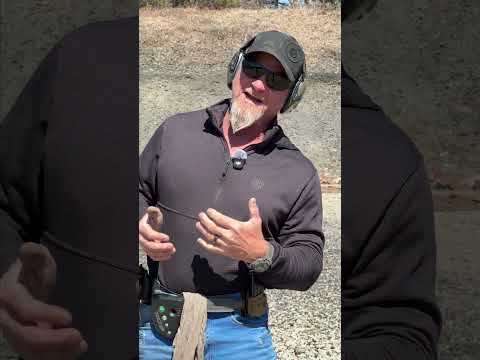
5YD VS 15YD ZERO

Published on November 17, 2024
Duration: 4:44

This video demonstrates the critical difference between a 5-yard and a 15-yard firearm zero, emphasizing why a 15-yard zero is superior for accuracy at various distances. The instructor highlights how a 5-yard zero leads to unpredictable shot placement at longer ranges, while a 15-yard zero offers stability and predictability, making it more user-friendly for practical shooting applications.


Quick Summary

A 15-yard zero is recommended for firearms, especially with red dot sights, as it provides a stable and predictable ballistic trajectory. A 5-yard zero causes shots to strike significantly high at longer distances, making accurate shooting difficult and unpredictable.

Chapters

  1. 00:00Introduction: 5yd vs 15yd Zero
  2. 00:07Why a 5-Yard Zero is a Mistake
  3. 00:11How Red Dot Zeroing Works
  4. 00:385-Yard Zero Demonstration & Results
  5. 01:065-Yard Zero Grouping Analysis
  6. 01:435-Yard Zero Unknown Distance Shots
  7. 01:5615-Yard Zero Demonstration
  8. 02:0515-Yard Zero Results at Various Distances
  9. 02:1815-Yard Zero Grouping Analysis
  10. 02:4015-Yard Zero Unknown Distance Shots
  11. 03:01Comparison: 5yd vs 15yd Groupings
  12. 03:19Predictability of 15-Yard Zero
  13. 03:33Recommendation: 15-Yard Zero
  14. 03:45Final Verdict: Don't Zero at 5 Yards
  15. 04:07Importance of Correct Zeroing
  16. 04:29Discount Code & Call to Action

Frequently Asked Questions

Why is a 5-yard zero bad for firearms?

A 5-yard zero is detrimental because it causes the firearm's point of impact to rise significantly at longer distances. This makes accurate shooting at 10, 15, or 20 yards extremely difficult and unpredictable, leading to shots being 'massively high'.

What is the recommended zero distance for most firearms?

The recommended zero distance for most firearms, especially those equipped with red dot sights, is 15 yards. This distance provides a stable and predictable ballistic trajectory, making it easier to calculate shots and achieve accuracy at various ranges.

How does zeroing a red dot sight affect accuracy?

Zeroing adjusts the red dot's position to match the firearm's point of impact. A closer zero (like 5 yards) means the optic aims lower relative to the barrel, causing the bullet to strike higher at distance. A 15-yard zero offers better balance for longer-range accuracy.

What are the benefits of a 15-yard zero for shooting?

A 15-yard zero offers superior accuracy and predictability. It stabilizes the bullet's trajectory, resulting in tighter shot groupings at various distances and making it easier for shooters to make precise shots, especially at unknown ranges.

Related News

All News →

More Training & Techniques Videos You Might Like

More from SHORTSHOT TONY

View all →