Aim Small Miss Small

Published on November 19, 2025
Duration: 11:23

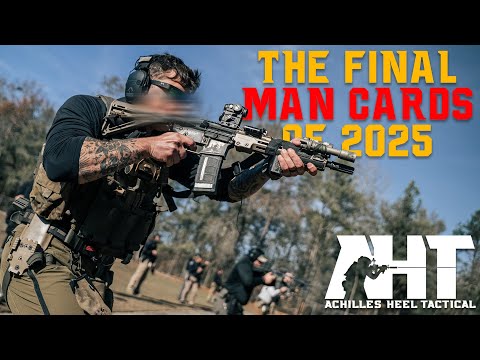
This guide, based on instruction from Rick Crawley of Achilles Heel Tactical, focuses on improving shooting speed and accuracy by emphasizing process over outcome. It details the concept of an 'acceptable' sight picture, visual indexing techniques, and the transition between predictive and reactive shooting based on distance. Crawley, a seasoned instructor with extensive military and law enforcement experience, highlights practical methods to increase rounds on target efficiently.

Quick Summary

Master 'Aim Small Miss Small' by focusing on the shooting process. Rick Crawley of Achilles Heel Tactical teaches using an 'acceptable' sight picture, visual indexing on a target focal point, and switching between predictive (close range) and reactive (longer range) shooting for optimal speed and accuracy.

Chapters

  1. 00:12Outcome vs. Process Training
  2. 01:15Acceptable Sight Picture
  3. 05:05Visual Indexing and Focal Points
  4. 08:55Predictive vs. Reactive Shooting

Frequently Asked Questions

What is the 'Aim Small Miss Small' philosophy in shooting?

The 'Aim Small Miss Small' philosophy, as discussed by Rick Crawley, emphasizes focusing on the process of shooting to improve speed and accuracy. It suggests that by mastering the mechanics and visual cues, one can achieve faster, more effective hits, even with an 'acceptable' rather than a 'perfect' sight picture.

How can I improve my shooting speed and accuracy?

Improve shooting speed and accuracy by focusing on the process, not just the outcome. Utilize an 'acceptable' sight picture, practice visual indexing by fixing your eyes on a target point, and transition between predictive and reactive shooting based on distance.

What is visual indexing in shooting?

Visual indexing is a technique where you fix your gaze on a specific high-contrast area of the target, like the heart. Your sights or red dot should naturally return to this focal point, allowing for faster sight acquisition without consciously tracking the sights themselves.

When should I use predictive vs. reactive shooting?

Predictive shooting is more efficient for faster follow-up shots at close ranges (5-10 yards) by anticipating sight return. At longer distances (25 yards), reactive shooting, which involves confirming the sight position before firing, becomes necessary for accuracy.

Related News

All News →

More Training & Techniques Videos You Might Like

More from Achilles Heel Tactical

View all →