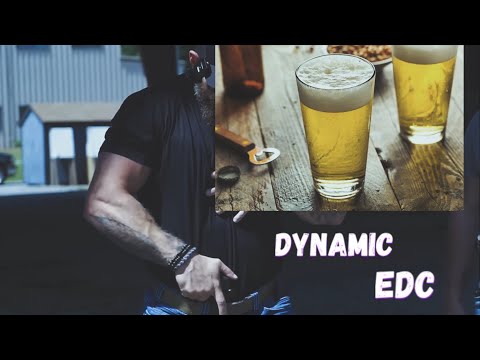
AIWB Alternate Hand Positions

Published on November 25, 2018
Duration: 6:10

This video from Scott Jelinski of the Modern Samurai Project details alternate AIWB (Appendix Inside the Waistband) ready positions beyond the standard high thoracic. It covers the 'hands relaxed' position, emphasizing efficiency and speed, and the 'arms crossed' position, often perceived as less aggressive. Jelinski explains the nuances of each, including how to effectively draw from them and the importance of practicing multiple positions for different scenarios.

Quick Summary

Scott Jelinski of Modern Samurai Project explains AIWB alternate ready positions, including 'Hands Relaxed' for efficiency and 'Arms Crossed' for a less aggressive posture. He emphasizes practicing these techniques for versatile concealed carry draw strokes.

Chapters

  1. 00:00Introduction & Sponsor
  2. 00:24Victos Clothing Sponsor
  3. 00:44Topic: AIWB Ready Positions
  4. 00:51Critique of 'Hands Relaxed'
  5. 01:13When 'Hands Relaxed' Looks Silly
  6. 01:35Practicing Nuances: High Thoracic vs. Hands Relaxed
  7. 01:53High Thoracic Draw Technique
  8. 01:73Hands Relaxed Draw Technique
  9. 01:93Nuance: Pre-grabbing Shirt
  10. 02:11Pre-combing Shirt Technique
  11. 02:41Arms Crossed Ready Position
  12. 02:50Mike Pannone's Approach
  13. 02:73Drawing from Arms Crossed
  14. 02:94Quick Recap of Positions
  15. 03:21Conclusion & Practice Advice
  16. 03:45Final Thoughts & Training Call

Frequently Asked Questions

What are the main AIWB ready positions discussed in the video?

The video covers three primary AIWB ready positions: the High Thoracic Start Position, the 'Hands Relaxed' position, and the 'Arms Crossed' position. Each offers different advantages and tactical considerations for drawing a concealed firearm.

How does the 'Hands Relaxed' AIWB position differ from the High Thoracic position?

The 'Hands Relaxed' position requires less movement, making it generally faster and more efficient for drawing. The High Thoracic position allows for more immediate defensive actions beyond just drawing, like striking or sprawling.

What is the technique for drawing from the 'Arms Crossed' AIWB position?

When arms are crossed, the firing hand grips the tricep and the support hand rests under the armpit. To draw, the firing hand moves to the belly button, the support hand comes up, and the firing hand then comes down to present the firearm.

Why is it important to practice different AIWB ready positions?

Practicing multiple AIWB ready positions ensures you can effectively draw your firearm regardless of the situation or your body's natural reaction. You never know which scenario you'll encounter, so versatility is key.

Related News

All News →

More Training & Techniques Videos You Might Like

More from Modern Samurai Project

View all →