Barrel Lengths

Published on October 23, 2025
Duration: 1:11

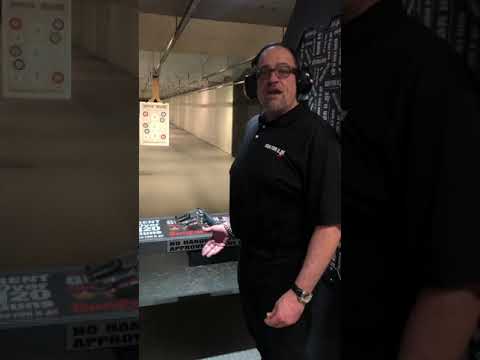
This video discusses the impact of barrel length on firearm performance, particularly for the .223 Remington cartridge. Shorter barrels (10.5-12 inches) are ideal for close-quarters combat (CQB) and home defense due to maneuverability, though they sacrifice ballistic performance. Longer barrels (18 inches and above) maximize powder burn and dwell time for extended range accuracy. A 12.7-inch barrel is presented as a balanced compromise.

Quick Summary

Firearm barrel length significantly impacts performance. Shorter barrels (10.5-12") excel in maneuverability for CQB and home defense, while longer barrels (18"+) maximize ballistics for extended ranges by allowing more powder burn and dwell time. A 12.7" barrel offers a balanced compromise.

Chapters

  1. 00:00Introduction to Barrel Length Discussion
  2. 00:04Shorter Barrels for CQB and Home Defense
  3. 00:15Ballistics of .223 Remington with Shorter Barrels
  4. 00:1913-inch Barrel Ballistic Extension
  5. 00:27Optic Mounting on Shorter Barrels
  6. 00:30Maximizing .223 Ballistics with Longer Barrels
  7. 00:35Powder Burn and Dwell Time Explained
  8. 00:41Use Case: Barrel Length Selection
  9. 00:46Home Defense and Flat Range Considerations
  10. 00:52The Ideal 'Medium' Barrel Length (12.7")
  11. 00:59Balanced Performance of 12.7-inch Barrel

Frequently Asked Questions

What is the best barrel length for CQB and home defense?

For Close Quarters Battle (CQB) and home defense, shorter barrel lengths like 10.5 to 12 inches are generally preferred. They offer superior maneuverability in confined spaces, making them easier to handle and point. However, this comes at the cost of reduced ballistic performance compared to longer barrels.

How does barrel length affect the ballistics of a .223 Remington cartridge?

For a .223 Remington cartridge, longer barrel lengths are crucial for maximizing ballistic performance. Barrels of 18 inches and above allow for more complete powder burn and increased dwell time, resulting in higher muzzle velocity and extended effective range. Shorter barrels limit these factors.

What is considered a good compromise barrel length for firearms?

A barrel length of approximately 12.7 inches is often considered a good compromise. It offers a noticeable improvement in ballistic performance over very short barrels (like 10.5 inches) while still maintaining better maneuverability and less unwieldiness than full-length rifle barrels (e.g., 14.5 inches or longer).

Why are longer barrels better for long-range shooting?

Longer barrels are superior for long-range shooting primarily because they allow for more efficient use of gunpowder. This leads to greater muzzle velocity and energy, which in turn translates to a flatter trajectory and better accuracy at extended distances. They also provide more stability for the projectile.

Related News

All News →

More Training & Techniques Videos You Might Like

More from Gun For Hire Range

View all →