Beginner Target Shooting Tip #9: Trigger Control - Kay Miculek - Babes with Bullets

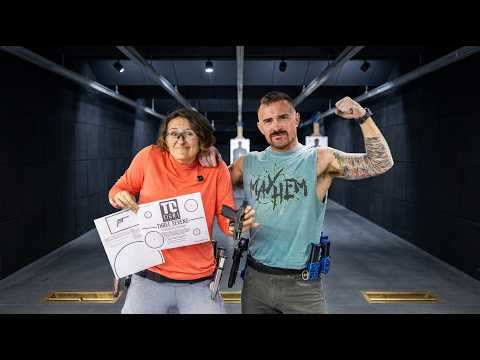
Kay Miculek, Head Instructor for Babes with Bullets, emphasizes trigger control as paramount for handgun accuracy. She details proper finger placement on the trigger face, ensuring a flat contact for a straight rearward pull. The guide covers managing trigger take-up in striker-fired pistols and warns against 'smashing' the trigger, advocating for a smooth, steady press to maintain sight picture and enhance accuracy.

Quick Summary

Trigger control is the most crucial element for handgun accuracy. Kay Miculek advises placing your finger on the trigger face in front of the first joint for a flat contact. Learn to manage trigger take-up by removing slack smoothly before applying steady pressure, avoiding jerky motions that disrupt your sight picture.

Chapters

  1. 00:12Introduction to Trigger Control
  2. 00:43Proper Finger Placement
  3. 01:05Gun Fit and Trigger Pull
  4. 01:38Understanding Trigger Take-up
  5. 02:24Avoiding Trigger Smashing

Frequently Asked Questions

What is the most important aspect of handgun shooting?

According to Kay Miculek, Head Instructor for Babes with Bullets, trigger control is the most important aspect of handgun shooting. Proper trigger manipulation is key to accuracy.

How should a beginner place their finger on the trigger?

Ideally, your finger should rest naturally on the trigger face, in front of the first joint. This allows for a flat contact, enabling a straight rearward pull that minimizes disruption to your sight picture.

What is trigger take-up and how should it be managed?

Trigger take-up, or pre-travel, is the initial slack in some triggers before firing. For firearms like the M&P, Glock, or XD, you should gently remove this slack first before applying a smooth, steady press.

Why is proper gun fit important for trigger control?

If a firearm's grip is too large or too small for your hand, your finger won't sit flat on the trigger. This forces you to push or pull the trigger improperly, negatively impacting your shot accuracy.

More Training & Techniques Videos You Might Like

More from NSSF—The Firearm Industry Trade Association

View all →