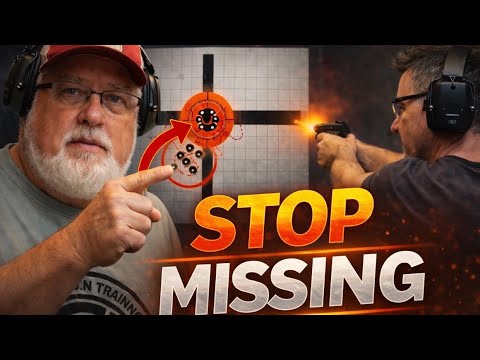
Calling your shots

Published on June 9, 2026
Duration: 7:50

This guide, based on insights from Ben Stoeger, emphasizes that effective shot calling in shooting is a combination of visual confirmation and kinesthetic awareness. Stoeger advises training aggressively to understand the firearm's behavior and stresses the importance of visually tracking the sight's movement during and after recoil. He explains that if the sight doesn't perform as expected, the shot likely won't hit the intended mark, and encourages shooters to connect sight movement with hand and body mechanics to diagnose and correct errors, rather than relying on guesswork.


Quick Summary

Effective shot calling in shooting relies heavily on visual confirmation of the sight's position and movement. Ben Stoeger emphasizes that if you don't see the sight perform as intended, the bullet likely won't hit its mark. Training aggressively helps connect sight movement with grip and body mechanics, providing crucial feedback to diagnose and correct errors.

Chapters

  1. 00:00Introduction: Calling Your Shots
  2. 00:04Visual Confirmation vs. Physical Feel
  3. 00:26Ben Stoeger's Shot Calling Method
  4. 00:43Grip vs. Visual Cues for Shot Calling
  5. 00:54Defining 'Calling Your Shots'
  6. 01:13The Real Check: Visual Sight Tracking
  7. 01:38Experience and Sight Tracking
  8. 01:56Why Shooters Miss Sight Awareness
  9. 02:01The Illusion of Sight Awareness
  10. 02:24Grip Tension and Sight Loss
  11. 02:57The Guesswork of Bad Shots
  12. 03:07A Rule for Better Shot Calling
  13. 03:10Recommendations for Improvement
  14. 03:31The Need for Specificity in Analysis
  15. 03:50Question: Best Book for Beginners?
  16. 04:15Book Recommendation: Baseline Dry Fire
  17. 04:51Current Project: Instructor Book

Frequently Asked Questions

What is the primary method for calling shots in shooting?

The primary method for calling shots is visual confirmation. This involves observing the sight's position on the target and its movement during and after recoil to understand where the bullet will go.

How does grip affect shot calling?

Grip significantly affects shot calling because even minor changes in grip tension or hand position can lead to a loss of sight awareness. If you can't see your sight, you can't accurately call your shot.

Should I rely more on visual cues or how my grip feels when calling shots?

While both are important, visual confirmation of the sight's position is paramount for accurate shot calling. You must see the sight do what you intend for the bullet to hit the mark.

What is the best way to train for better shot calling?

Train by shooting aggressively and in uncomfortable ways to better understand the firearm's movement. During this, focus on visually tracking the sight's path and connecting its movement to your hand and body actions.

Related News

All News →

More Training & Techniques Videos You Might Like

More from Ben Stoeger

View all →