Calling Your Shots

Published on April 12, 2026
Duration: 1:00

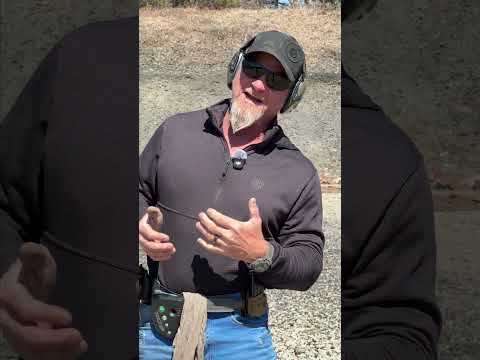
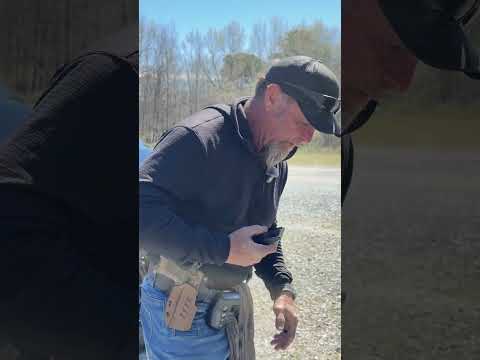
This video explains the concept of 'calling your shot' in shooting, which is the ability to determine if a shot was good or not before it even impacts the target. It emphasizes observing sight position as the hammer falls and feeling the shot during the squeeze. The instructor uses this technique to analyze group consistency and confirm sight adjustments.


Quick Summary

Calling your shot is the ability to know whether or not your shot is good or not before it even gets to the target. Key indicators include observing sight position as the hammer falls and feeling the shot during the squeeze. This skill is crucial for identifying technique issues and improving firearm accuracy.

Chapters

  1. 00:04Initial Shot
  2. 00:18Analyzing a Poor Group
  3. 00:26Defining 'Calling Your Shot'
  4. 00:33Key Indicators for Calling Shots
  5. 00:38Assessing Group Consistency
  6. 00:42Confirming Sight Adjustments

Frequently Asked Questions

What does 'calling your shot' mean in firearms training?

'Calling your shot' is the ability to determine if your shot was accurate or not before it even reaches the target. It involves paying close attention to your sight alignment and trigger control during the firing process.

How can I improve my ability to call my shots?

To improve, focus on observing your sight position precisely as the hammer falls. Also, pay attention to the physical sensation of the trigger squeeze, as you can often feel when a shot is going to be off.

Why is calling your shot important for accuracy?

Calling your shot is vital for accuracy because it allows you to immediately identify potential issues with your technique, such as poor trigger control or sight alignment, enabling quicker correction and better performance over time.

How does analyzing shot groups relate to calling your shots?

Analyzing shot groups helps confirm your ability to call shots. If you consistently call shots low and your group is indeed low, it validates your observation and helps you verify the effectiveness of sight adjustments.

More Training & Techniques Videos You Might Like

More from Pat Mac

View all →