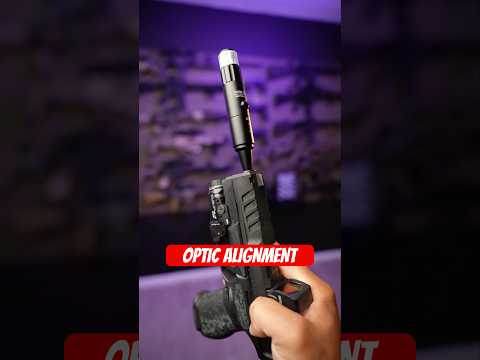
Carry Zero vs. Training Zero

Published on August 17, 2022
Duration: 0:40

Roger Barrera of QVO Tactical demonstrates the critical importance of understanding and accounting for ammunition-specific zero points when using different loads for carry versus training. By zeroing his CT2X optic with 90 grain +P Blue Line carry ammunition at 10 yards and then observing the significant impact shift with 124 grain training ammunition, he highlights the practical necessity of using separate witness marks on optics to ensure accurate shot placement for each ammunition type. This instructional insight, supported by visual evidence of distinct groupings, emphasizes a key aspect of effective firearm proficiency.

Quick Summary

Understanding the impact shift between carry and training ammunition is vital for accurate shooting. Different loads can cause significant deviations, necessitating separate optic zeros. For instance, 124 grain ammo might hit 3 inches high and 1.5 inches right compared to 90 grain +P ammo at 10 yards, requiring distinct sight settings.

Chapters

  1. 00:00Carry Ammo Zero Demonstration
  2. 00:10Training Ammo Impact Shift Observation
  3. 00:21Importance of Separate Optic Zeros
  4. 00:30Share Your Experience

Frequently Asked Questions

Why is it important to have a separate zero for carry ammunition versus training ammunition?

Different ammunition types, even within the same caliber, can have varying ballistic performance, leading to a noticeable impact shift. Using a dedicated zero for your carry ammo ensures accuracy when it matters most, while understanding the shift with training ammo allows for effective practice without compromising your primary zero.

How can I manage the impact shift between my carry and training ammunition?

The most effective method is to establish separate zero points for each ammunition type. This can be achieved by using distinct witness marks on your optic's turrets or by noting the specific adjustments needed for each load. This allows for quick and accurate sight adjustments when switching between ammunition.

What is the typical impact shift observed between different 9mm ammunition loads?

The observed impact shift can vary significantly based on bullet weight, velocity, and design. In this demonstration, 124 grain training ammo impacted 3 inches high and 1.5 inches right compared to 90 grain +P carry ammo at 10 yards, highlighting the potential for substantial differences.

Can I use the same optic for both carry and training ammunition without issues?

While you can use the same optic, it's crucial to understand and account for any impact shift. If you don't, your point of aim will not match your point of impact when switching ammunition, potentially leading to missed shots. Establishing separate zeros or knowing the adjustment needed is key.

Related News

All News →

More Training & Techniques Videos You Might Like

More from Roger Barrera (QVO Tactical)

View all →