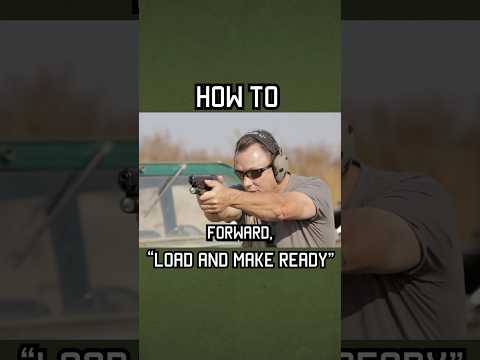
Different Types of AR 15 Reloads with Former Navy SEAL & Pro Shooter Fred Ruiz

Published on July 11, 2019
Duration: 5:03

Former Navy SEAL Fred Ruiz details three AR-15 reload techniques: Static, High Ready, and Workspace. Each method offers distinct advantages and disadvantages regarding speed, target focus, and situational awareness. Ruiz emphasizes that no single reload is universally superior, advising shooters to master all to adapt to specific tactical scenarios.

Quick Summary

Fred Ruiz details three AR-15 reload techniques: Static (fast, target-focused, but static), High Ready (allows movement, sees mag well, but slower), and Workspace (keeps gun intact, muzzle on target, but limited visibility/movement). He stresses understanding pros/cons to choose the right method for the situation.

Chapters

  1. 00:00Introduction to AR-15 Reloads
  2. 00:31Reload 1: Static Reload Explained
  3. 01:49Reload 2: High Ready Reload Explained
  4. 03:07Reload 3: Workspace Reload Explained
  5. 04:21Conclusion: Choosing the Right Reload

Frequently Asked Questions

What are the three main AR-15 reload techniques discussed by Fred Ruiz?

Fred Ruiz explains the Static Reload (buttstock in shoulder, fast but static), the High Ready Reload (allows movement, sees mag well, slower), and the Workspace Reload (gun intact, muzzle on target, limited visibility/movement).

What are the pros and cons of the Static AR-15 reload?

The Static Reload's pros are keeping eyes on target and high speed. Its cons are the inability to see the mag well and being completely static, limiting tactical options.

How does the High Ready AR-15 reload differ from the Static reload?

The High Ready reload allows for more movement and better visibility of the mag well compared to the Static reload. However, it is generally slower and requires shifting focus away from the target.

According to Fred Ruiz, is there a single best AR-15 reload method?

No, Fred Ruiz emphasizes that there is no single 'best' AR-15 reload. Shooters must understand the advantages and disadvantages of each technique to apply them effectively in different situations.

Related News

All News →

More Training & Techniques Videos You Might Like

More from Tactical Hyve

View all →