DRY FIRE DRILLS

Published on June 1, 2025
Duration: 0:47

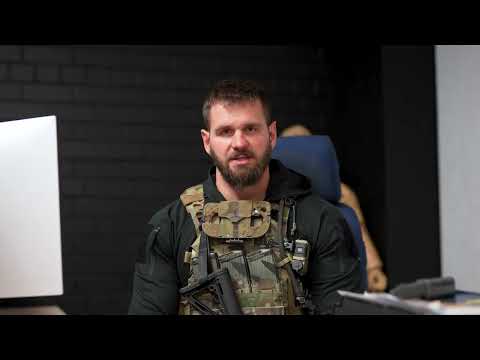
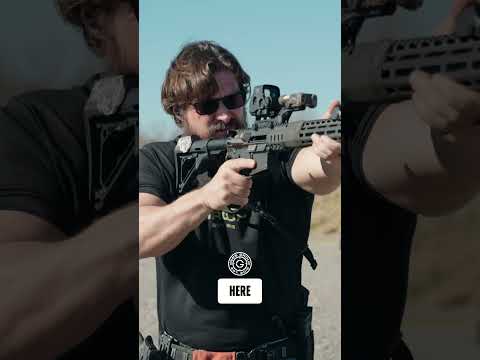
This GBRS Group video emphasizes the critical role of dry fire practice for maintaining proficiency, especially when range time is limited or due to injury. It highlights foundational drills like Bill drills and reloads, focusing on efficient carbine-to-pistol transitions to minimize downtime. The content stresses technical manipulation, including safety, trigger prep, and reset, for enhanced weapon handling and tactical readiness.

Quick Summary

Dry fire is essential for maintaining shooting proficiency when live-fire practice is limited. Focus on foundational drills like Bill drills and transitions, and practice efficient carbine-to-pistol transitions by drawing your secondary immediately when the primary is empty.

Chapters

  1. 00:00Benefits of Dry Fire Practice
  2. 00:06Core Shooting Drills Explained
  3. 00:16Efficient Carbine to Pistol Transitions
  4. 00:34Technical Weapon Manipulation Practice

Frequently Asked Questions

Why is dry fire practice important for firearm training?

Dry fire is crucial for maintaining shooting proficiency when range time is limited or due to injury. It allows shooters to practice fundamental skills, weapon manipulation, and transitions without expending live ammunition, making training more accessible and cost-effective.

What are the key foundational drills mentioned for improving shooting performance?

The video highlights foundational drills such as Bill drills, combat reloads, and transition drills. These core movements are essential for building high-level shooting performance and weapon handling skills.

How can shooters improve their carbine-to-pistol transition efficiency?

Improve transition efficiency by minimizing the delay in drawing your pistol once the carbine is empty. Avoid waiting for a perfect position; practice drawing the secondary firearm immediately to reduce downtime.

What technical manipulations can be practiced effectively during dry fire?

Dry fire allows focused practice on critical technical manipulations including safety engagement, trigger preparation, trigger reset, and weapon slinging. These skills are vital for smooth and effective weapon handling during dynamic scenarios.

More Training & Techniques Videos You Might Like

More from GBRS Group

View all →