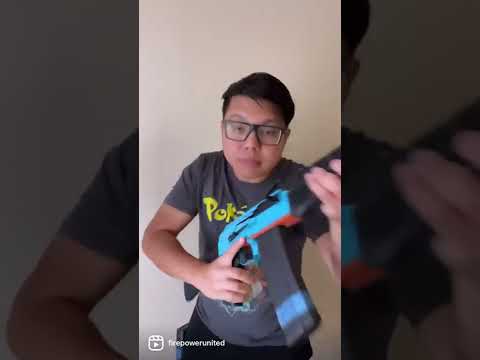
Dry Fire Technique

Published on February 17, 2022
Duration: 0:10

This video demonstrates essential dry fire trigger pull techniques for both striker-fired (like the Glock 19) and DA/SA (like the Beretta 92FS) handguns. Expert instruction focuses on maintaining sight alignment through the trigger break and utilizing trigger reset for improved accuracy and speed. Proper technique is crucial for mastering firearm control during dry practice.

Quick Summary

Master essential dry fire trigger pull techniques for both striker-fired (Glock 19) and DA/SA (Beretta 92FS) handguns. Expert instruction emphasizes maintaining sight alignment through the trigger break and utilizing trigger reset for improved accuracy and speed. Proper technique is crucial for mastering firearm control during dry practice.

Chapters

  1. 00:00Introduction to Dry Fire Techniques
  2. 00:01Striker-Fired Pistol Trigger Demo
  3. 00:04DA/SA Pistol Trigger Demo

Frequently Asked Questions

What are the key differences in dry fire practice between striker-fired and DA/SA handguns?

Dry fire for striker-fired pistols like the Glock 19 focuses on a consistent pull and reset. For DA/SA pistols such as the Beretta 92FS, practice involves mastering both the long double-action pull and the subsequent short single-action pull after the hammer is cocked.

Why is practicing trigger reset important during dry fire?

Practicing trigger reset allows you to become familiar with the point where the firearm will fire again after the initial shot. This familiarity is crucial for making fast, accurate follow-up shots without disturbing your sight alignment.

What safety precautions are essential for dry fire practice?

Always ensure the firearm is completely unloaded before dry firing. Visually and physically inspect it. Remove all ammunition from the training area and never point the firearm at anything you are not willing to destroy.

How does dry fire practice improve shooting skills?

Dry fire practice builds muscle memory for proper trigger control, sight alignment, and sight picture maintenance. It allows for repetition without the recoil and noise of live fire, leading to significant improvements in accuracy and speed.

Related News

All News →

More Training & Techniques Videos You Might Like

More from Firepower United

View all →