Fast and Slow Are the Wrong Metrics

Published on May 17, 2026
Duration: 7:26

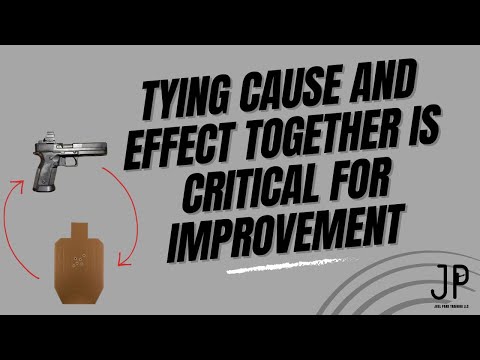
This video emphasizes focusing on the shooting process rather than subjective 'fast' or 'slow' metrics. Instructor Joel Park advocates for detailed descriptions of what to look for and experience during a drill, including sight picture, target acquisition, and follow-up shot execution. He breaks down techniques like color confirmation and dot stabilization for the first shot, and reactive vs. predictive shooting for follow-ups, stressing that the appropriate method depends on target distance and accountability needs.


Quick Summary

Focusing on the shooting process, rather than subjective 'fast' or 'slow' metrics, is crucial for effective firearms training. Instructor Joel Park emphasizes detailed observation of sight confirmation (color or dot stabilization) and follow-up shot execution (reactive or predictive) based on target distance and accountability needs.

Chapters

  1. 00:02The Problem with 'Fast' and 'Slow' Metrics
  2. 00:13Defining Target Engagement: Close vs. Far
  3. 00:20Focusing on Process Over Time
  4. 01:15Instructor's Approach to Training
  5. 01:27First Shot Sight Confirmation Techniques
  6. 01:42Color Confirmation vs. Dot Stabilization
  7. 02:14Target Distance and Accountability
  8. 02:56Follow-up Shot Strategies
  9. 03:01Reactive Shooting Explained
  10. 03:39Color Confirmation for Follow-up Shots
  11. 04:01Predictive Shooting (Bill Drill Example)
  12. 04:28Analyzing Shots After the Fact
  13. 04:50Integrating Movement with Shooting
  14. 05:02Drill Example: Movement and Vision Barriers
  15. 06:03The Importance of Granular Detail
  16. 06:33Rethinking 'Fast' vs. 'Slow' in Training
  17. 06:45Key Decisions for Performance

Frequently Asked Questions

Why are 'fast' and 'slow' bad metrics in firearms training?

'Fast' and 'slow' are subjective and confusing metrics in firearms training. They don't provide actionable feedback. Instead, instructors like Joel Park advocate for focusing on the detailed process of engagement, including sight confirmation, trigger control, and follow-up shot execution, which offers more concrete areas for improvement.

What are the primary methods for sight confirmation before the first shot?

Two primary methods for sight confirmation are color confirmation and dot stabilization. Color confirmation involves seeing the sight's color (e.g., red) at the point of aim before pressing the trigger. Dot stabilization means waiting for the aiming dot to become a clear, stable shape before engaging.

How does target distance influence sight confirmation choices?

Target distance significantly impacts sight confirmation. For closer targets, color confirmation might be sufficient. However, for farther targets requiring higher accountability, waiting for the aiming dot to stabilize provides greater precision and is often the preferred method.

What is the difference between reactive and predictive shooting for follow-up shots?

Reactive shooting involves reacting to the sight's movement, often described as a 'bouncing ball,' to stack shots without full sight stabilization. Predictive shooting, like in a Bill Drill, involves firing as rapidly as possible and analyzing the outcome afterward, focusing on speed and then reviewing performance.

Related News

All News →

More Training & Techniques Videos You Might Like

More from Joel Park

View all →