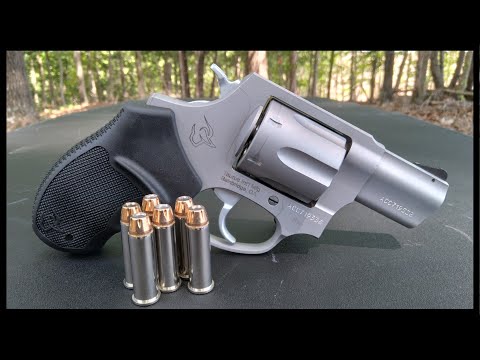
FMJ Battle! .380 vs 9mm Full Metal Jacket Ballistic Gel Test! Which Caliber is the BEST?

Published on October 10, 2021
Duration: 11:45

This video details a ballistic gel test comparing .380 ACP and 9mm Luger Full Metal Jacket (FMJ) ammunition. The test measures projectile velocity and penetration depth, revealing unexpected results where the .380 ACP, specifically a flat-nose FMJ, achieved greater penetration than the 9mm Luger round nose FMJ. The instructor highlights the importance of bullet design in terminal ballistics.

Quick Summary

In a ballistic gel test comparing .380 ACP and 9mm Luger FMJ, the .380 ACP 100-grain flat-nose FMJ achieved 29 inches of penetration, surpassing the 9mm Luger 115-grain round-nose FMJ's 26 inches. While the 9mm created a wider wound channel, the .380's deeper penetration was attributed to its flat nose design.

Chapters

  1. 00:00Introduction & Test Setup
  2. 01:18Ammunition Details: .380 vs 9mm FMJ
  3. 02:01Chronograph Testing: .380 ACP Velocity
  4. 02:53Chronograph Testing: 9mm Luger Velocity
  5. 04:23Ballistic Gel Test: .380 ACP FMJ
  6. 05:19Ballistic Gel Test: 9mm Luger FMJ
  7. 05:59Gel Test Results: Wound Channel Analysis
  8. 07:10Overhead View: Wound Channel Comparison
  9. 08:09Penetration Measurement: .380 vs 9mm
  10. 08:33Projectile Examination
  11. 08:42Bullet Design Impact: Flat vs. Round Nose
  12. 09:26Conclusion & Unexpected Results
  13. 10:08Penetration Considerations for .380 ACP
  14. 10:37Viewer Engagement & Future Tests

Frequently Asked Questions

What were the average velocities of the .380 ACP and 9mm Luger FMJ rounds tested?

The .380 ACP 100-grain FMJ averaged 851 feet per second, while the 9mm Luger 115-grain FMJ averaged 1111 feet per second. This indicates a significant velocity difference of 260 fps between the two calibers in this test.

How did the penetration depth of .380 ACP and 9mm Luger FMJ compare in ballistic gel?

Surprisingly, the .380 ACP 100-grain flat-nose FMJ achieved 29 inches of penetration, exceeding the 9mm Luger 115-grain round-nose FMJ's 26 inches. This suggests bullet design can play a crucial role in terminal ballistics.

What was the observed difference in wound channels between the .380 ACP and 9mm Luger FMJ rounds?

The 9mm Luger round-nose FMJ created a wider wound channel in the ballistic gel compared to the .380 ACP flat-nose FMJ. However, the .380 ACP demonstrated greater penetration depth.

Did the projectiles deform after passing through the ballistic gel?

No, both the .380 ACP and 9mm Luger FMJ projectiles tested remained completely intact and showed no deformation after penetrating the ballistic gel. They looked identical to their unfired state.

More Training & Techniques Videos You Might Like

More from Tools&Targets

View all →