From Hands to Guns With Steve Tarani

Published on August 1, 2024
Duration: 35:08

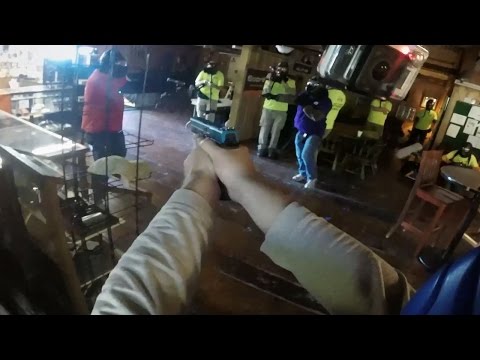
This video emphasizes the critical skill of transitioning from unarmed combat to firearm deployment, a concept often overlooked in traditional training. Steve Tarani, a seasoned expert with extensive federal agency experience, highlights that unarmed engagements are statistically more common. The discussion stresses the importance of proactive defense (soft skills) to avoid confrontations, but also details the necessity of efficient and safe transitions to firearms when avoidance fails. The 'Hands to Guns' class, co-taught with Max Michelle, aims to bridge this gap in training.


Quick Summary

The 'Hands to Guns' training concept bridges unarmed defensive tactics and firearm deployment, teaching safe transitions from hand-to-hand combat to weapon use. Steve Tarani stresses that proactive defense (soft skills) can resolve most threats before escalation, but efficient armed transitions are vital when avoidance fails.

Chapters

  1. 00:00Introduction to Unarmed vs. Armed Combat
  2. 00:34Sponsor Mentions
  3. 00:49Introducing Steve Tarani & Background
  4. 01:54The 'Hands to Guns' Class Concept
  5. 03:07Dealing with Internet Critics
  6. 04:03Tarani's 35 Years in the Industry
  7. 05:39Tarani's Path to Expertise
  8. 07:08Specialization in Improvised Weapons
  9. 08:15Weapon Use Across Different Profile Operations
  10. 09:05No Profile Operations & Improvised Tools
  11. 10:36Favorite Improvised Options for Civilians
  12. 11:59Tactical Pens as an Option
  13. 13:14TSA Encounter with a Tactical Pen
  14. 14:37Improvised Impact Weapons (Soda Can)
  15. 14:43Improvised Edged Weapons (Chopsticks)
  16. 15:14Break & Sponsor Segments
  17. 18:13Details on the 'Hands to Guns' Class
  18. 19:11Origins of 'Hands to Guns' Training
  19. 20:09Civilian Training Gap
  20. 21:01What to Expect in 'Hands to Guns'
  21. 21:15Physicality and Prerequisites
  22. 23:19Thoughts on Pepper Spray
  23. 25:00Sponsor Segments
  24. 28:15Knives as Secondary/Tertiary Defense
  25. 29:11The Danger of Untrained Knife Use
  26. 30:09Situational Awareness & Mobility
  27. 31:12Proactive vs. Reactive Defense (Prefense)
  28. 33:50Soft Skills vs. Hard Skills
  29. 34:22Conclusion & Future Training

Frequently Asked Questions

What is the 'Hands to Guns' training concept?

The 'Hands to Guns' training concept bridges the gap between unarmed defensive tactics and firearm deployment. It teaches individuals how to safely and effectively transition from a hand-to-hand confrontation to drawing and utilizing a firearm when necessary, recognizing that unarmed engagements are often more probable.

Why is proactive defense (soft skills) important?

Proactive defense, or soft skills, focuses on threat assessment and avoidance. Steve Tarani emphasizes that approximately 90% of real-world dangerous scenarios can be resolved by recognizing and avoiding threats before they escalate, negating the need for physical confrontation or firearm use.

What are improvised weapons and how can they be used?

Improvised weapons are everyday objects that can be repurposed for defense. This includes edged weapons like broken glass, impact weapons like a soda can, or flexible weapons like a cord. Proficiency with these requires training and a tactical mindset.

What should civilians consider for self-defense in non-permissive environments?

In areas where firearms or knives are restricted, civilians might consider 'tactical pens' as a last resort improvised weapon. However, it's crucial to be aware of regulations, such as TSA rules, which may prohibit such items if they appear weapon-like.

More Training & Techniques Videos You Might Like

More from Gun Talk Media

View all →