Getting Corrected

Published on April 24, 2026
Duration: 1:33

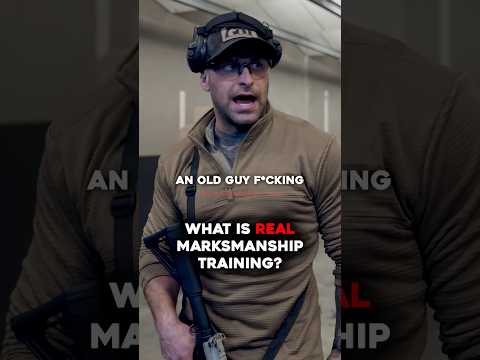
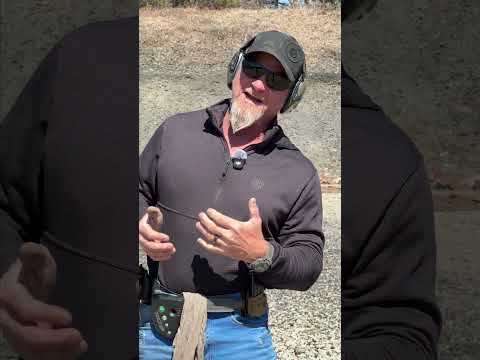
This video emphasizes the importance of tailored feedback in skill development, particularly in firearms training. The speaker, Pat Mac, advocates for understanding individual learning styles and emotional resilience when providing corrections. He suggests a preemptive approach to address potential sensitivities and encourages self-correction as a vital learning tool, even calling himself out for mistakes to illustrate the process.


Quick Summary

Effective firearms training requires instructors to tailor feedback to individual students, considering their skill levels and emotional resilience. Acknowledging one's own mistakes and explaining them in detail fosters self-correction, a crucial element for continuous learning and skill development.

Chapters

  1. 00:00Tailoring Feedback for Skill Disparity
  2. 00:36Correction as a Tool for the Wise
  3. 00:48Failing Quickly and Learning
  4. 00:56Instructor Self-Correction Example
  5. 01:19Importance of Recognizing Faults

Frequently Asked Questions

How should instructors handle feedback for students with different skill levels?

Instructors should tailor their feedback to each individual, recognizing that varying skill sets and emotional resilience require different approaches. Avoid calling out mistakes publicly if it might stifle a student's learning.

What is the benefit of an instructor calling out their own mistakes?

When an instructor openly acknowledges and explains their own errors, it demonstrates humility, fosters trust, and reinforces the importance of self-correction as a learning tool for students.

Why is it important to understand a student's 'skin thickness' in training?

'Skin thickness' refers to an individual's resilience to criticism. Understanding this helps instructors deliver feedback in a way that is constructive rather than discouraging, ensuring it aids learning rather than hindering it.

What does 'fail quickly, learn from the past' mean in a training context?

This principle encourages rapid identification of errors, immediate learning from those mistakes, using past experiences to inform future actions, and maintaining focus on present performance.

More Training & Techniques Videos You Might Like

More from Pat Mac

View all →