How Does Firearms Training Differ From Military Training? | Gun Talk Radio

Published on July 21, 2020
Duration: 5:33

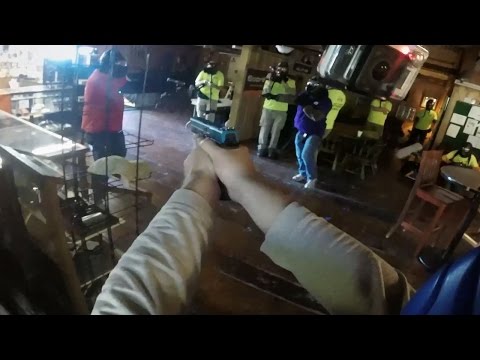
This segment from Gun Talk Radio highlights the crucial differences between military firearms experience and civilian firearms training. A former Army small arms repairman shares his experience in a three-day basic pistol class, emphasizing that even with military background, formal training reveals unknown areas of improvement. The discussion stresses the importance of expert instruction for timing, accuracy, and speed, and warns against developing bad habits through unguided practice. It concludes that quality firearms training is beneficial for everyone, regardless of prior experience.


Quick Summary

Formal firearms training is crucial for everyone, including military veterans, as it provides expert feedback on accuracy, speed, and technique, revealing unknown areas for improvement. It emphasizes setting ego aside and highlights the importance of proper supervision to avoid drilling bad habits, making practice more effective.

Chapters

  1. 00:00Introduction to Gun Talk Radio Segment
  2. 00:16Dennis's Range Report: Basic Pistol Class
  3. 00:30Gun Sight Classes Availability
  4. 00:45Dennis's Military Background vs. Training
  5. 01:24The Value of Expert Instruction
  6. 01:44Learning New Techniques and Fundamentals
  7. 02:08The Importance of Supervision in Practice
  8. 02:13Drills for Trigger Control
  9. 02:31Becoming an Apostle for Firearms Training
  10. 02:50Demographics of Firearms Training Participants
  11. 03:02Enjoyment and Quality of Training
  12. 03:11About GunSight Training Facility
  13. 03:27Choosing a Firearms Trainer Wisely

Frequently Asked Questions

Why is civilian firearms training important for military veterans?

Even military veterans can benefit from civilian firearms training because formal instruction provides expert feedback on accuracy versus speed, identifies unknown weaknesses, and helps refine techniques. It ensures that practice is productive and prevents the development of bad habits that might arise from unguided self-training.

What are the key differences between military firearms experience and formal training?

Military experience often focuses on operational readiness and specific mission requirements. Formal civilian training, however, emphasizes fundamental marksmanship, precision, and the 'why' behind manipulations, often revealing aspects of shooting that military personnel may not have encountered or focused on.

How can someone ensure they are choosing a good firearms instructor?

When selecting a firearms instructor, it's vital to research their credentials and look for references. Talking to individuals who have previously taken their classes and seeking online reviews can provide valuable insights into the instructor's effectiveness and teaching quality.

What is the 'I never thought of that' (NTOT) phenomenon in firearms training?

The NTOT phenomenon refers to moments during firearms training when an instructor reveals a technique, concept, or piece of information that a student, even one with experience, had never considered. It highlights the depth of knowledge available through expert instruction.

Related News

All News →

More Training & Techniques Videos You Might Like

More from Gun Talk Media

View all →