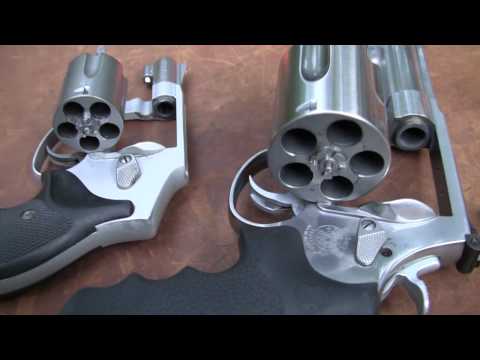
How NOT To Shoot a Revolver

Published on May 15, 2012
Duration: 4:00

This guide, based on expert instruction from Hickok45, details the dangers associated with a revolver's cylinder gap. It explains how high-pressure gas escapes and can cause severe injury if fingers are placed improperly. The content emphasizes safe handling practices and provides real-world anecdotes to illustrate the risks, particularly with powerful calibers like the .44 Magnum.


Quick Summary

The cylinder gap on revolvers allows high-pressure gas and debris to escape laterally, posing a severe injury risk. Never place fingers in front of the cylinder, as the blast, especially from calibers like .44 Magnum, can cause serious burns or amputations. Even resting the cylinder too close to the body can result in burns through clothing.

Chapters

  1. 00:00The Cylinder Gap Explained
  2. 00:48Dangerous Grips Warning
  3. 01:45Live Demonstration with Paper Target
  4. 02:50Real-World Consequences & Anecdotes

Frequently Asked Questions

What is the primary danger associated with a revolver's cylinder gap?

The primary danger is the lateral blast of high-pressure gas, powder, and debris escaping from the gap between the cylinder and barrel. This blast can cause severe burns or injuries if body parts, especially fingers, are placed too close to it.

How can a cylinder gap cause injury even through clothing?

When firing powerful revolvers, the escaping gas from the cylinder gap can be hot and forceful enough to cause burns through clothing. Anecdotes mention shooters burning their legs through denim jeans by resting the cylinder too close to their bodies.

What is the recommended safety practice regarding the cylinder gap?

The key safety practice is to never extend fingers or any body part in front of the cylinder's face. Maintain a firm grip that ensures your hands are well clear of the cylinder gap during firing.

Which firearm caliber is highlighted as particularly dangerous concerning the cylinder gap?

The .44 Magnum caliber is specifically highlighted as being particularly dangerous due to its high pressure, which results in a more significant and potentially injurious lateral gas blast from the cylinder gap.

Related News

All News →

More Training & Techniques Videos You Might Like

More from hickok45

View all →