How to Clean your AR15

Published on April 8, 2019
Duration: 24:25

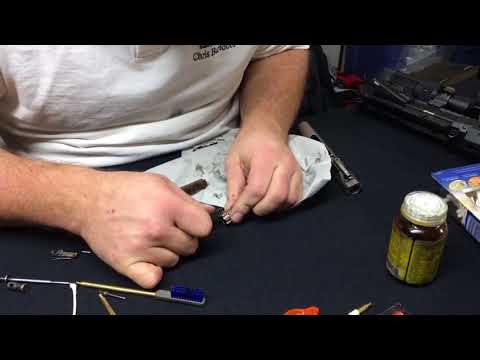
This guide provides a functional, down-and-dirty method for cleaning an AR-15, emphasizing efficiency over a surgical-grade clean. It details the process of field stripping, cleaning individual components like the bolt carrier group and upper receiver, and cleaning the bore using various tools and solvents. The instructor, Dave Tim, highlights the importance of lubrication for reliability and offers practical tips for a quick yet effective clean, suitable for training guns that see heavy use.


Quick Summary

For a functional AR-15 clean, focus on removing sludge and ensuring proper lubrication for reliability, rather than achieving a surgical-grade finish. Instructor Dave Tim advises against overly aggressive cleaning, which can damage the firearm. Essential tools include rags, swabs, brushes, a cleaning rod with a bore guide, and appropriate solvents. Always ensure the firearm is unloaded and wear safety glasses before starting.

Chapters

  1. 00:00Intro & Philosophy on Cleaning
  2. 02:03Tools and Supplies Needed
  3. 04:09Safety First: Unloading and Prep
  4. 04:49Field Disassembly
  5. 04:53Cleaning the Bolt Carrier Group
  6. 05:00Cleaning the Charging Handle
  7. 05:28Cleaning the Upper Receiver
  8. 06:04Cleaning the Chamber Area
  9. 08:04Cleaning the Bore (Bore Snake & Rod)
  10. 10:44Disassembling and Cleaning the Bolt
  11. 11:17Cleaning the Bolt Carrier
  12. 13:15Cleaning the Lower Receiver
  13. 13:19Cleaning the Buffer and Spring
  14. 16:00Finishing Bore Cleaning
  15. 18:05Corrosion Protection and Lubrication
  16. 20:40Reassembly and Function Check
  17. 23:23Final Thoughts and Outro

Frequently Asked Questions

What is the recommended approach for cleaning an AR-15 for practical use?

For practical use, focus on a functional clean that removes sludge and ensures proper lubrication for reliability. Instructor Dave Tim emphasizes that overly aggressive cleaning can damage the firearm, and a dirty but lubricated gun will generally run well. The goal is to get the firearm up and running efficiently, not necessarily to achieve a surgical-grade clean.

What are the essential tools for cleaning an AR-15?

Essential tools for cleaning an AR-15 include gloves, rags, swabs, patches, a toothbrush or military brush, a cleaning rod with a bore guide, and a bore snake. Solvents like carbon killer and general-purpose gun cleaner are also necessary. Optional tools like chamber brushes and bolt scraping tools can aid in the process.

How should the bolt carrier group (BCG) of an AR-15 be cleaned?

To clean the BCG, apply a carbon killer and let it soak to loosen fouling. Then, use rags and swabs to wipe away the loosened gunk. A toothbrush can help scrub stubborn areas. Ensure all components, including the bolt face and extractor area, are clean. Never use the firing pin as a cleaning tool.

What is the best way to clean the bore of an AR-15?

The bore can be cleaned using a bore snake with solvent, or more thoroughly with a cleaning rod and bore guide. The bore guide prevents the rod from flexing. After cleaning with solvent, push dry patches through until clean, then follow with a lightly oiled patch for corrosion protection. Avoid excessive oil in the bore.

Are there any critical safety warnings when cleaning an AR-15?

Absolutely. Always ensure the firearm is completely unloaded by checking the chamber and magazine well. Keep the work area clear of ammunition. Wearing safety glasses is also crucial, especially when working with cleaning solvents and chemicals, to protect your eyes from splashes.

Related News

All News →

More Training & Techniques Videos You Might Like

More from UN12 Magazine

View all →