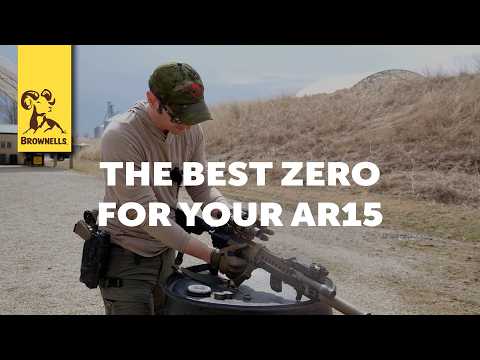
How to Get First Round Hits With Your AR 15 | Ballistics & D.O.P.E. Made Easy!

Published on April 19, 2025
Duration: 18:52

This guide details how to calculate and true ballistic data for an AR-15 using a ballistic calculator app and real-world range data. It covers measuring muzzle velocity, inputting rifle and bullet specifications, and using the generated dope chart for accurate shooting at various distances. The process emphasizes verifying zero and making corrections based on actual impacts to achieve consistent first-round hits.

Quick Summary

D.O.P.E. (Data On Previous Engagements) is the precise ballistic data for your rifle, optic, and ammo, telling you how much to hold or dial at different distances. To calculate it, you need an optic (Mil/MOA), measuring tape, chronograph for muzzle velocity, and a ballistic calculator app. Input your rifle's specs, bullet data (including Ballistic Coefficient), and measured muzzle velocity, then 'true' the data at the range by making corrections based on actual impacts.

Chapters

  1. 00:00Introduction to Ballistic Data (D.O.P.E.)
  2. 00:28What is D.O.P.E.?
  3. 01:14Essential Equipment for Finding D.O.P.E.
  4. 01:18Optic Requirements (Mil/MOA)
  5. 01:26Measuring Tools (Tape Measure)
  6. 01:30Chronograph for Muzzle Velocity
  7. 01:50Chronograph Recommendations (Budget vs. Premium)
  8. 03:08Ballistic Calculator Apps
  9. 03:37Channel Sponsor: Obsidian Tactics
  10. 04:03Double-Checking Your Zero
  11. 04:21Zeroing the Rifle at the Range
  12. 04:41Measuring Muzzle Velocity
  13. 05:45Analyzing Zero Shots and Velocity Data
  14. 06:55Using the GeoBallistics App
  15. 07:15Setting Up a Rifle Profile
  16. 07:32Inputting Bullet Specifications
  17. 08:19Understanding Drag Models (G1 vs. G7)
  18. 09:14Rifle Section: Sight Height and Barrel Twist
  19. 09:46Inputting Muzzle Velocity
  20. 10:08Optic Section: Solution Units (Mil/MOA)
  21. 10:39Atmospheric Data (Temperature, Altitude, Humidity)
  22. 10:51Using Online Weather Data
  23. 11:20The Importance of Wind Calls
  24. 11:56Generating the Ballistic Chart
  25. 12:25Truing the Data at the Range
  26. 12:37Range Protocol: 100-Yard Increments
  27. 13:00Shooting at Various Distances
  28. 13:45Engaging Targets at 190.8 Yards
  29. 14:13Engaging Targets at 281 Yards
  30. 15:04Engaging Targets at 368 Yards
  31. 15:32Engaging Targets at 482 Yards
  32. 16:27Engaging Targets at 572 Yards
  33. 17:25Challenges with Wind at Distance
  34. 17:56Conclusion: Never Guess Again
  35. 18:14Saving and Reviewing the Video

Frequently Asked Questions

What is D.O.P.E. in shooting?

D.O.P.E. stands for Data On Previous Engagements. It's the precise ballistic data your specific rifle, optic, and ammunition combination produces, telling you exactly how much to adjust your aim (hold or dial) at various distances to hit your target accurately.

What equipment is needed to calculate ballistic data?

You'll need an optic that measures in Mil or MOA, a measuring tape for sight height, a chronograph to measure muzzle velocity, and a ballistic calculator app on your smartphone. A rangefinder is also essential for accurate distance measurements at the range.

How do I input my bullet information into a ballistic calculator?

You can manually input your bullet's caliber, grain weight, length, and drag model (G1 or G7), or use the app's library to find your bullet. Crucially, you need to find the correct Ballistic Coefficient (BC) for your bullet's velocity range, often available on the manufacturer's website.

What is sight height in ballistics?

Sight height is the vertical distance from the center of your firearm's bore to the center of your optic's reticle. This measurement is critical for accurate ballistic calculations and is typically measured with a tape measure.

How do I 'true' my ballistic data?

Truing your ballistic data involves going to the range and shooting at known distances, applying the calculated holds or dials from your ballistic chart. You then observe where your rounds impact and make necessary corrections to your ballistic calculator's inputs or your dope chart to match real-world performance.

Related News

All News →

More Training & Techniques Videos You Might Like

More from Concrete Cowboy

View all →