More isn’t always better

Published on April 15, 2025
Duration: 7:41

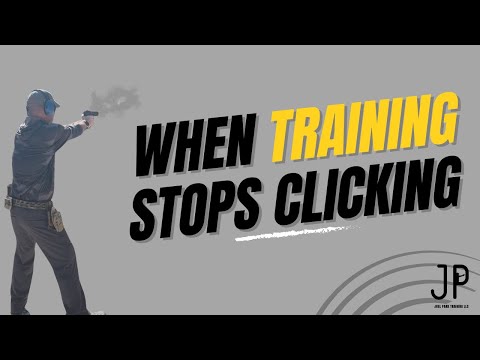
This video explains why shorter, focused dry fire sessions are often more effective than longer ones. Instructor Joel Park advocates for 15-20 minute sessions, emphasizing the importance of 'perpetual dissatisfaction' and nitpicking technique to achieve incremental improvements. He highlights that prolonged practice leads to fatigue and diminishing returns, suggesting that a high level of engagement and a 'simmering frustration' are key indicators of productive training.

Quick Summary

Effective dry fire training focuses on 15-20 minute sessions to maintain high engagement and avoid fatigue. The goal is 'perpetual dissatisfaction,' nitpicking technique for incremental improvements. Breaking sessions into 3-5 minute drills with minimal reset maximizes repetitions, simulating live fire intensity without burnout.

Chapters

  1. 00:00Introduction: The 20-Minute Dry Fire Question
  2. 00:20Expectations for Dry Fire: Perpetual Dissatisfaction
  3. 00:43Drill Example: Target Transitions and Finesse
  4. 01:33The Reality of Fatigue and Frustration
  5. 01:41Recommended Dry Fire Duration: 15-20 Minutes
  6. 02:32Instructor's Personal Dry Fire Routine
  7. 02:54Drill Structure: 3-5 Minutes Per Drill
  8. 03:34Calculating Repetitions in Short Timeframes
  9. 04:01Simulating Live Fire Intensity
  10. 04:32Mental and Physical Fatigue After 20-30 Minutes
  11. 05:05The 'Simmering Frustration' Level
  12. 05:51Risks of Overly Long Dry Fire Sessions
  13. 06:20Splitting Sessions for Overachievers
  14. 06:42Conclusion: The 20-Minute Mark is Realistic
  15. 07:21Final Thoughts and Q&A

Frequently Asked Questions

Why is 20 minutes the recommended duration for dry fire training?

20 minutes is recommended because it allows for a high level of focused engagement without leading to significant physical or mental fatigue. This duration helps maintain a 'simmering frustration' level, pushing you to improve without becoming counterproductive or leading to burnout.

What is the primary goal of dry fire practice according to Joel Park?

The primary goal is 'perpetual dissatisfaction,' meaning you should always be looking to get just a little bit better with each repetition. It's about nitpicking every movement to achieve incremental improvements rather than aiming for unattainable perfection.

How can I maximize repetitions during a short dry fire session?

To maximize repetitions, break your session into 3-5 minute drills with minimal reset time. Focus on drawing, acquiring the sight picture, and practicing the trigger press. This allows for a high volume of practice in a short period.

What are the risks of practicing dry fire for too long?

Practicing dry fire for too long, such as an hour, can lead to 'phoning it in,' where you're just going through the motions without real benefit. It also causes hand fatigue, potential injuries, and mental burnout, making the training session ineffective.

More Training & Techniques Videos You Might Like

More from Joel Park

View all →