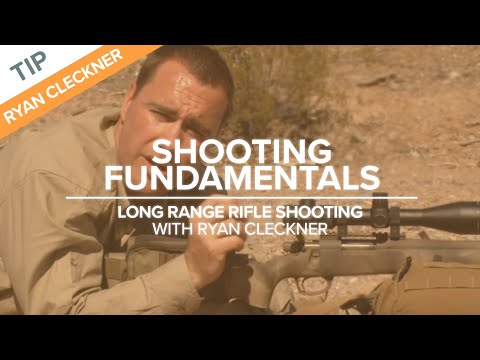
Precision Rifle Pistol Grip | Long-Range Rifle Shooting with Ryan Cleckner

Instruction from former special operations sniper Ryan Cleckner on optimizing the pistol grip for precision rifle shooting. The technique involves a thumb-over grip to reduce torque and improve control, leading to enhanced accuracy. It also covers safety lever considerations for seamless operation during long-range engagements.

Quick Summary

For precision rifle shooting with a pistol grip, avoid a standard grip. Instead, use a thumb-over technique by placing your thumb on the opposite side of the grip. This reduces torque, provides a more stable hold, and improves accuracy. Ensure safety levers are configured to prevent knuckle interference.

Chapters

  1. 00:16Introduction: Pistol Grip as a Hindrance
  2. 00:51Mitigating Grip Control: The Thumb-Over Technique
  3. 01:34Safety Lever Considerations
  4. 02:16Conclusion and Practice

Frequently Asked Questions

How does a pistol grip affect precision rifle shooting?

On precision rifles like AR-10s or chassis systems, a standard pistol grip can be a hindrance. Too much control can lead to torquing the rifle, reducing accuracy. The key is to modify your grip for better stability.

What is the recommended grip technique for precision rifles with pistol grips?

To mitigate unwanted control, adopt a thumb-over grip. Bring your thumb to the opposite side of the pistol grip. This provides a more traditional rifle stock feel, allowing secure holding without torquing the rifle.

How can I prevent safety lever interference when using a precision rifle grip?

Ensure your safety lever doesn't interfere with your knuckle. If your rifle has an ambidextrous safety, set the tab to point up in fire mode. Consider a short-throw safety for easier manipulation.

More Training & Techniques Videos You Might Like

More from NSSF—The Firearm Industry Trade Association

View all →