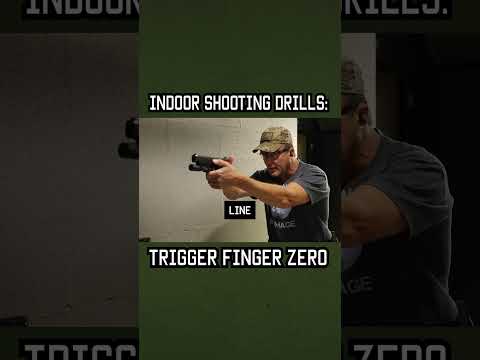
Process Focused vs Outcome Focused

Published on May 14, 2026
Duration: 12:01

This video emphasizes the importance of focusing on the process of shooting rather than solely on the outcome. Instructor Joel Park argues that obsessing over times and scores can hinder improvement, leading to negative habits like trigger freeze and excessive tension. Instead, he advocates for meticulous attention to the individual components of shooting, such as grip, sight tracking, and trigger reset, to build a solid foundation for consistent performance. By prioritizing process-oriented practice, shooters can achieve better long-term results and a more enjoyable learning experience.


Quick Summary

Focusing on the process of shooting, rather than solely on outcomes like time or score, is crucial for improvement. This approach involves meticulously refining individual techniques such as grip, sight alignment, and trigger control, which prevents the development of bad habits often associated with rushing for speed. By prioritizing process-oriented practice, shooters build a more robust skill foundation for consistent and reliable performance.

Chapters

  1. 00:02Introduction: Process vs. Outcome
  2. 00:53Lucas Vodkin's Topic
  3. 01:15Focusing on Process
  4. 01:23Why Outcome Focus Fails
  5. 02:02Consequences of Rushing
  6. 03:03Effective Process Elements
  7. 04:03Outcome Focus Example
  8. 04:36Personal GM Journey
  9. 06:38Shifting to Process Focus
  10. 07:47Improving Shooting Components
  11. 08:21The Power of Process Testing
  12. 09:17Achieving GM Classification
  13. 10:01Benefits of Process Focus
  14. 11:05Conclusion: Process Over Outcome

Frequently Asked Questions

Why is focusing on the process more important than the outcome in shooting?

Focusing on the process allows for deliberate practice of fundamental techniques like grip, sight alignment, and trigger control. This detailed attention prevents bad habits that arise from rushing for speed or score, ultimately leading to more consistent and reliable performance over time. It builds a stronger skill foundation.

What are common mistakes made when focusing too much on shooting outcomes?

When shooters fixate on outcomes like time or score, they often develop negative habits such as excessive hand tension, rushing the trigger press, failing to achieve proper sight alignment, or experiencing trigger freeze. This can lead to decreased accuracy and control, hindering overall improvement.

How can a shooter improve their skills by focusing on the process?

To improve through process focus, break down shooting into its core components. Practice each element deliberately, such as refining your draw stroke, ensuring proper sight tracking, and mastering trigger reset. By consistently working on these individual steps, overall shooting proficiency will naturally increase.

What is the benefit of dry fire practice for process-oriented shooting?

Dry fire is ideal for process-focused practice because it allows you to meticulously observe and refine the mechanics of shooting without the pressure of live fire. You can focus on details like sight tracking, grip consistency, and trigger manipulation, identifying and correcting subtle issues that might be missed during live fire.

More Training & Techniques Videos You Might Like

More from Joel Park

View all →