Project Lightening Episode 06: Total Damage

Published on February 28, 2019
Duration: 48:08

This video features an expert-level analysis and practical test of several early 20th-century light machine guns, including the B.A.R., Chauchat, Lewis Gun, Hotchkiss, Madsen, and MG 08/15. The 'Total Damage' test assesses destructive capability and shooter performance under timed conditions. The Lewis Gun emerged as the standout performer due to its stability and low recoil, while the Chauchat in .30-06 was the least effective. The analysis highlights the critical importance of stability, recoil management, and ergonomics for battlefield effectiveness.


Quick Summary

The Lewis Gun 1914 won the 'Total Damage' test with 31 hits, outperforming other WWI light machine guns like the B.A.R. and Chauchat. Experts cited its stable bipod, low recoil, and aperture sights as key advantages, while issues like muzzle climb (B.A.R.) and poor ergonomics (Chauchat) hampered competitors.

Chapters

  1. 00:38Test Parameters: Total Damage
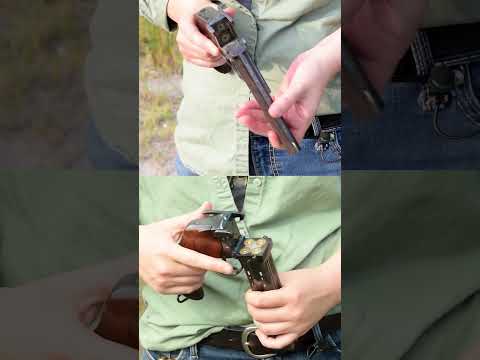
  2. 00:48B.A.R. Performance Review
  3. 05:06Chauchat 1915 (8mm Lebel) Analysis
  4. 08:55Chauchat 1918 (.30-06) Performance
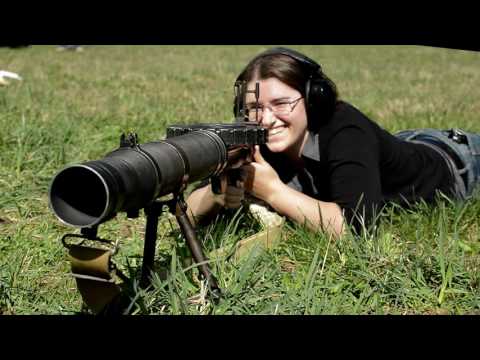
  5. 12:31Lewis Gun 1914 Standout Performance
  6. 15:58Hotchkiss I* Stability Issues
  7. 19:11Madsen 1914 Trigger Pull
  8. 23:08MG 08/15 Sight Zero & Malfunctions
  9. 28:19Final Results & Key Takeaways

Frequently Asked Questions

Which WWI light machine gun was most effective in the 'Total Damage' test?

The Lewis Gun 1914 was the most effective, scoring 31 hits in the timed test. Its stability, low recoil, and good sights allowed shooters to easily control fire and maintain accuracy, making it superior to other tested firearms like the B.A.R. and Chauchat.

What were the main performance issues with the Chauchat light machine gun?

The Chauchat exhibited significant problems, including violent recoil, a flimsy bipod, and awkward ergonomics. The .30-06 version, in particular, had high sights and poor cheek weld, severely impacting shooter accuracy and hit counts during timed tests.

How did the B.A.R. 1918 perform in the light machine gun test?

The B.A.R. 1918 was difficult to control in full auto without a bipod, showing considerable muzzle climb. Shooters also noted uncomfortable ergonomics, particularly for the elbows, and a tendency for the muzzle to rise significantly during bursts.

What factors contributed to the Lewis Gun's success in the 'Total Damage' test?

The Lewis Gun's success was attributed to its stable bipod, low felt recoil, and excellent aperture sights. These features enabled shooters to easily track impacts, adjust fire in real-time, and maintain a consistent sight picture, leading to the highest scores.

Related News

All News →

More Training & Techniques Videos You Might Like

More from C&Rsenal

View all →