Questions : Answers 2

Published on March 31, 2020
Duration: 180:03

This video delves into the practicalities of firearm use and maintenance during World War I, addressing questions about weapon lifespan in the trenches, the challenges of field stripping, and the impact of environmental conditions and combat on firearms. It highlights that while millions of rifles were produced, their effective lifespan was significantly reduced by harsh conditions, constant use, and combat damage, necessitating extensive rebuilding and replacement efforts. The discussion also touches upon the difficulties of maintaining weapons in the field and the design flaws that exacerbated these issues.

Quick Summary

The lifespan of a standard military rifle in WWI trenches was significantly shortened by harsh weather, battlefield abuse, and continuous firing, often requiring extensive rebuilding and replacement. The Chauchat machine gun is noted for its baffling ergonomics, particularly its sight design, making it difficult to achieve a proper aiming position.

Chapters

  1. 00:00Introduction & Patron Questions
  2. 02:00US Krag Rifle Reputation
  3. 06:00Savage 99 for War?
  4. 07:41Winchester Carbine Conversions
  5. 09:42WWI Sniper Rifles
  6. 12:06RSC 1917 Scope Adaptation
  7. 15:25MP18 Luger Magazine Compatibility
  8. 16:44WWI Suppressors
  9. 20:16Rifle Lifespan in Trenches
  10. 23:13Mauser Action Derivatives
  11. 25:08Stripper Clips vs. Box Magazines
  12. 27:55Non-Standard Handguns Issued
  13. 32:25Semi-Auto Rifles & SMGs Impact
  14. 36:11FN Browning & Caliber Choice
  15. 40:44Browning's .32 ACP SMG
  16. 42:231919 Offensive Weaponry
  17. 43:16US Ordnance in 1910
  18. 48:161919 Offensive Weapons
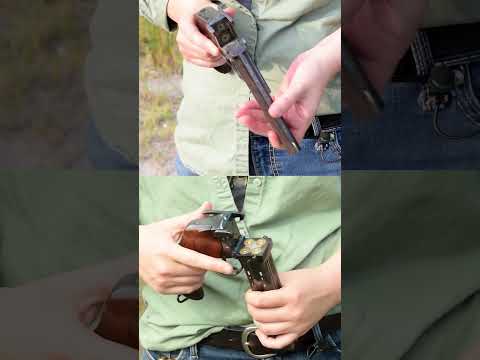
  19. 50:34Most Difficult Field-Strip
  20. 53:20Promising Undeveloped Firearms
  21. 55:36Belt-Fed vs. Magazine Mechanisms
  22. 58:07Most Interesting Undeveloped Firearm
  23. 60:50Baffling Ergonomics
  24. 63:53Most Important Part of a Gun

Frequently Asked Questions

What was the typical lifespan of a rifle in the trenches during World War I?

A standard military rifle in WWI trenches had a significantly reduced lifespan due to harsh weather, constant use, and combat damage. While millions were produced, their effective service life was often shortened, necessitating frequent rebuilding and replacement efforts by dedicated factories.

Why were belt-fed mechanisms considered problematic during World War I?

Early belt-fed mechanisms, especially those using cloth belts, were prone to snags and feeding issues, often requiring manual assistance. Even later disintegrating metal links presented challenges, making them temperamental compared to magazine-fed systems.

Which firearm had the most baffling ergonomics from World War I?

The Chauchat machine gun is cited for its baffling ergonomics, specifically the difficulty in getting one's head behind the sights due to the tall bipod legs. While other firearms have oddities, the Chauchat's sight design made it uncomfortable for most users to achieve a proper aiming position.

What is considered the most important part of a firearm?

The cartridge is fundamentally the most important part of a firearm because it performs the actual work. The relationship between the cartridge and the firearm's barrel, including rifling and design, is crucial for effective function, with the rest of the gun being developed around this core pairing.

More Training & Techniques Videos You Might Like

More from C&Rsenal

View all →