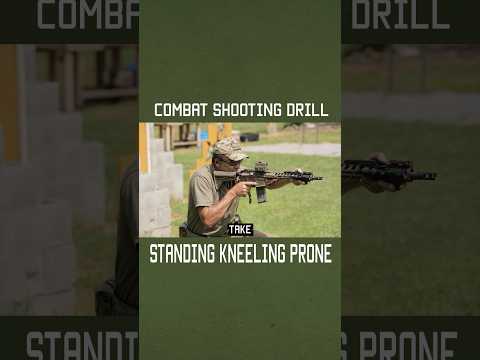
Range Day Sweden

Published on May 29, 2026
Duration: 2:06

This content emphasizes that firearms training standards represent a minimum entry-level requirement, not an end state. Achieving a standard once does not equate to proficiency; continuous daily practice is crucial to make that standard a default. The speaker stresses the importance of performing under pressure, regardless of conditions, and the need to consistently re-qualify until the standard is an ingrained default.


Quick Summary

Firearms training standards represent a minimum entry-level requirement, not an end state. Achieving a standard once is insufficient; continuous daily practice is crucial to make that standard a default, automatic response. True proficiency means performing under pressure, regardless of conditions, and consistently re-qualifying until the standard is deeply ingrained.

Chapters

  1. 00:00Misinterpreting Training Standards
  2. 00:23Standards as Baseline Entry Level
  3. 00:32The Danger of 'Meeting the Standard'
  4. 00:43Understanding Minimum Standard
  5. 00:50Performance Under Pressure
  6. 00:59The Need for Daily Practice
  7. 01:15Achieving Default Standard
  8. 01:24Cold War Default Standard
  9. 01:48Adhering to the Standard

Frequently Asked Questions

What is the true meaning of firearms training standards?

Firearms training standards are not the pinnacle of skill but rather the minimum entry-level requirement. They establish a baseline that individuals must achieve, but true proficiency comes from exceeding this baseline through consistent practice and performance under pressure.

Why is daily practice essential for firearms proficiency?

Daily practice is crucial to transform a met standard into a default, automatic response. Without continuous repetition, skills degrade, and the ability to perform reliably under stress diminishes. Consistent training ensures the standard becomes ingrained.

How should one approach firearms training standards?

One should approach firearms training standards as a starting point. The goal is not just to pass a test once, but to internalize the required skills so they can be executed flawlessly and instantly, regardless of environmental factors or personal condition.

What is considered a critical standard in firearms handling?

A critical standard often cited is the ability to transition from high ready, low ready, or compressed ready positions to a firing solution within one second, irrespective of lighting conditions. Adherence to this precise timing is paramount.

Related News

All News →

More Training & Techniques Videos You Might Like

More from GBRS Group

View all →