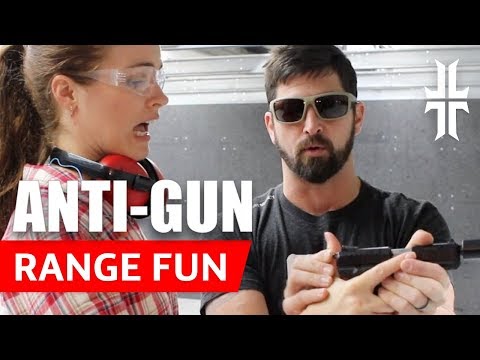
Retention Shooting | Private Class with Craig Douglas

Published on January 20, 2019
Duration: 30:56

This guide details the Thumb Pectoral Index (TPI) retention shooting technique taught by Craig Douglas of ShivWorks. TPI is designed for extreme close-quarters scenarios (within three yards) to ensure consistent shot placement, prevent self-injury, and maintain weapon control during a struggle. The technique emphasizes a flagged thumb, locked wrist, and high elbow to create a stable shooting platform and allow for slide cycling. Instruction includes live-fire drills and transitions to appropriate extension based on threat distance.

Quick Summary

The Thumb Pectoral Index (TPI) is a retention shooting technique for close-quarters combat, emphasizing a flagged thumb, locked wrist, and high elbow. Developed by Craig Douglas, it ensures consistent shot placement, prevents self-injury, and maintains weapon security during struggles, addressing failures of traditional methods.

Chapters

  1. 00:00Introduction to ECQC
  2. 01:05Gear Check
  3. 02:25The Problem of Close-Range Shooting
  4. 04:47Technical Breakdown of TPI
  5. 07:04Live Fire Progression Drills
  6. 13:50Appropriate Extension and the Step Drill
  7. 18:42Fending Positions and Safety Rules

Frequently Asked Questions

What is the Thumb Pectoral Index (TPI) shooting technique?

The Thumb Pectoral Index (TPI) is a retention shooting technique developed by Craig Douglas for extreme close-quarters combat (within three yards). It involves flagging the thumb, locking the wrist, and keeping the elbow high, indexing the thumb against the pectoral muscle to create a stable shooting platform and prevent weapon loss or self-injury.

Why is TPI considered superior to traditional methods in close-quarters?

TPI addresses the failures of traditional range-based solutions like the 'speed rock' in real-world, non-consensual close-quarters scenarios. It ensures consistent shot placement, prevents the shooter from shooting themselves, and keeps the weapon secure during a struggle, allowing for slide cycling.

What are the key components of the TPI shooting stance?

The TPI stance requires a 'flagged thumb' (hitchhiker style), a locked wrist, and a high elbow. The thumb is indexed against the pectoral muscle, creating a consistent downward angle for the muzzle and providing a kinesthetic cue for alignment.

What safety rules are emphasized during ECQC training?

A critical safety rule is that the support hand must always 'park' flat on the chest before collecting the pistol for a two-handed grip. This prevents the support hand from crossing the muzzle during the draw stroke, a vital safety measure in high-intensity training.

More Training & Techniques Videos You Might Like

More from Warrior Poet Society

View all →