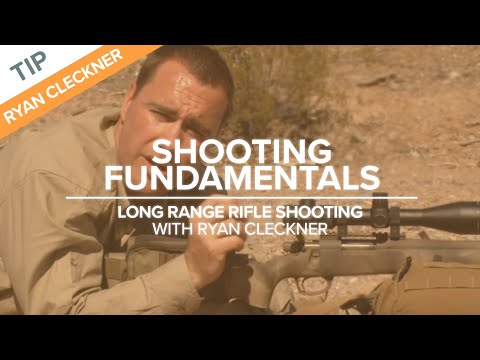
Scope Magnification Tips for Accuracy with Ryan Cleckner: Why Higher Isn't Always Better

Expert instruction from Ryan Cleckner of Gun University on optimizing scope magnification for improved accuracy. The video emphasizes that higher magnification is not always better, as it can magnify errors and target shake. Lowering magnification can stabilize the image, aid reticle focus, and is crucial for quick hunting shots.

Quick Summary

Higher scope magnification isn't always better for accuracy because it magnifies shooter errors and target shake. Lowering magnification can stabilize the image, aid reticle focus, and is crucial for quick hunting shots, leading to improved precision.

Chapters

  1. 00:00Intro to Scope Magnification
  2. 00:18Magnification Ring Functionality
  3. 00:40Why Higher Magnification Isn't Always Better
  4. 01:06Magnification and Shaky Images
  5. 01:23Focusing on the Reticle
  6. 01:36Practical Application: Range & Hunting
  7. 01:50Hunting Quick Shots & Far Targets

Frequently Asked Questions

Why is higher scope magnification not always better for accuracy?

Higher magnification amplifies not only the target but also any movement or shake from the shooter or the rifle. This can make it harder to hold steady and lead to missed shots, as errors are magnified along with the target.

How can lowering scope magnification improve shooting accuracy?

Reducing magnification can stabilize the visual field, making the target appear less shaky. This allows the shooter to better focus on the reticle and achieve a more precise sight picture, leading to improved accuracy.

What is the best scope magnification for hunting?

For quick hunting shots, lower magnification is generally preferred for faster target acquisition. If a very distant target requires higher magnification, there is usually ample time to adjust the scope settings before taking the shot.

What is the function of the magnification adjustment ring on a scope?

The magnification adjustment ring, often found on the eyepiece of a rifle scope, allows the shooter to change the apparent size of the target image. This adjustment is crucial for adapting to different shooting distances and conditions.

More Training & Techniques Videos You Might Like

More from NSSF—The Firearm Industry Trade Association

View all →