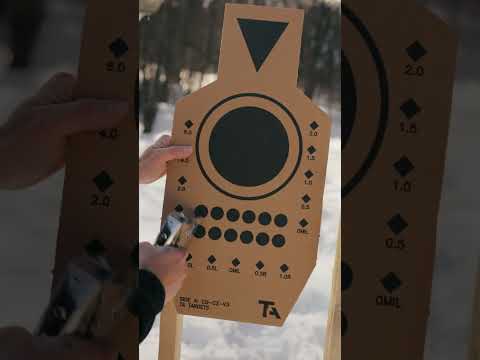
Secret Service Misses Every Shot On Trump's Would-Be Assassin From Five Feet Away

Published on December 29, 2024
Duration: 6:00

This guide, informed by expert analysis from Colion Noir, addresses the critical factors contributing to missed shots in high-stress, close-range encounters. It emphasizes the impact of adrenaline, potential equipment issues, and the necessity of consistent practice to combat skill atrophy. The content also touches upon the psychological aspects of combat shooting and the importance of prioritizing marksmanship in training.

Quick Summary

Expert analysis reveals that missed shots at close range, even by trained agents, are often due to the debilitating effects of adrenaline and extreme stress, coupled with potential equipment issues and skill atrophy from insufficient practice. Historical data also points to a natural human hesitation to kill as a factor in combat accuracy.

Chapters

  1. 00:00Incident Overview
  2. 00:24Analysis of Missed Shots
  3. 01:47Skill Atrophy and Training
  4. 02:15Psychology of Combat
  5. 03:02Combat Shooting Reality
  6. 03:54Hearing Protection Review

Frequently Asked Questions

Why might trained agents miss shots at very close range?

Even trained agents can miss shots at close range due to the overwhelming effects of adrenaline and extreme stress, which impair fine motor skills and accuracy. Equipment malfunctions or misaligned sights can also be contributing factors, regardless of the shooter's background.

How does stress affect shooting performance?

Under high stress, the body releases adrenaline, which can lead to tunnel vision, auditory exclusion, and tremors, making precise aiming and trigger control significantly more challenging. This physiological response is a key reason why even experienced shooters can falter.

Is consistent practice essential for maintaining shooting skills?

Yes, consistent and dedicated practice is crucial. Shooting skills, like any other complex motor skill, are subject to atrophy without regular reinforcement. Many law enforcement and military units face challenges in providing sufficient range time for optimal skill maintenance.

What historical factors influence combat shooting?

Historical data suggests a natural human hesitation to kill, often leading to missed shots or a failure to fire. Overcoming this psychological barrier, alongside adrenaline and stress, is a critical component of effective combat shooting.

More Training & Techniques Videos You Might Like

More from Colion Noir

View all →