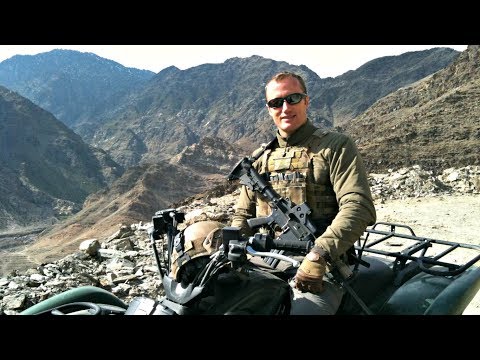
Sentinel Concepts Carbine at Thunder Ranch

Published on September 6, 2024
Duration: 14:45

This 3-day carbine class at Thunder Ranch, taught by Steve Fisher of Sentinel Concepts, focused on practical carbine skills. Key takeaways include detailed zeroing procedures, understanding reticle holds for various distances, and practical application of these techniques on steel targets out to 700 yards. The course also covered positional shooting, barricade techniques, and effective malfunction clearance methods.


Quick Summary

This 3-day carbine class at Thunder Ranch, led by Sentinel Concepts, emphasized practical skills like rifle zeroing, understanding reticle holds for BDC and Mil optics, and effective malfunction clearance. Key takeaways include verifying BDC accuracy and the versatility of LPVOs as magnified red dots.

Chapters

  1. 00:06Introduction to the Carbine Class
  2. 00:32Thunder Ranch Safety Briefing
  3. 01:20Day 1: Zeroing and Reticle Holds
  4. 03:15Day 2: Extended Distances and Positional Shooting
  5. 04:51Malfunction Clearance Techniques
  6. 06:27Day 3: Slings, Barricades, and Movement
  7. 08:02Final Drills: Stations and Long Range
  8. 10:06Course Recap and Takeaways
  9. 13:34Recommendations and Facility Info

Frequently Asked Questions

What are the key components of a carbine class at Thunder Ranch?

A typical carbine class at Thunder Ranch, like the one with Sentinel Concepts, covers rifle setup, zeroing, understanding reticle holds (BDC and Mil), positional shooting, barricade techniques, movement drills, and malfunction clearance. Safety is paramount throughout.

How does one properly zero a carbine and understand reticle holds?

Proper zeroing involves selecting a zero distance, confirming impacts at various ranges (100-300 yards), and understanding how your reticle's hold points correspond to bullet drop. For BDC reticles, empirical verification is crucial due to potential inaccuracies.

What is a significant takeaway regarding optics from this carbine course?

A key insight is that Low Power Variable Optics (LPVOs) can function like magnified red dots. Additionally, for precise aiming at distance, Mil reticles are often preferred over BDC reticles due to their adaptability and ability to facilitate accurate holdovers.

What unique malfunction clearance method was taught?

Steve Fisher of Sentinel Concepts teaches a unified malfunction clearance technique designed to efficiently resolve all types of stoppages, including bolt overrides, with a single, consistent procedure, simplifying the process under stress.

Related News

All News →

More Training & Techniques Videos You Might Like

More from Kit Badger

View all →