Shooting Reactive Targets

Published on April 27, 2026
Duration: 5:08

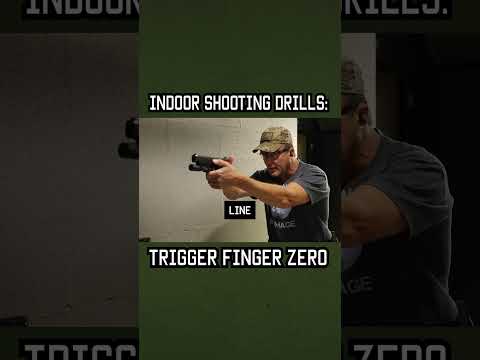
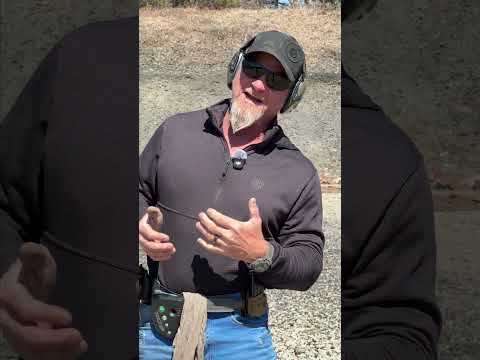
This video provides a practical training drill using reactive targets, emphasizing the importance of maintaining sight alignment and trigger control to avoid common shooting errors. Instructor Pat Mac highlights how reactive targets can trick shooters into looking away from their sights, leading to misses. The drill focuses on staying on target, minimizing trigger finger movement, and recovering quickly from misses to improve overall accuracy and speed.


Quick Summary

Reactive targets like falling plates can trick shooters into looking away from their sights to watch the reaction, leading to misses. To improve, consciously stay on your sights, minimize trigger finger movement for a smooth shot break, and practice 'failing quickly' by recovering immediately from any misses.

Chapters

  1. 00:01Introduction to Reactive Targets
  2. 00:13Why Reactive Targets Challenge Shooters
  3. 00:30The Danger of Looking Over the Sights
  4. 00:37Maintaining Sight Focus
  5. 00:50Training to Stay on the Sights
  6. 01:00Trigger Finger Control
  7. 01:12Miss Recovery and Contingency Planning
  8. 01:22Common Misses in Falling Plate Drills
  9. 01:31The Importance of the First Shot
  10. 01:45Avoiding 'Smelling the Barn'
  11. 01:54Staying Engaged in the Drill
  12. 02:00Setting Up the Reactive Target Drill
  13. 02:07Drill Parameters: Par Time and Shots
  14. 02:15Tracking Accumulated Misses
  15. 02:21Warm-up Shots
  16. 02:35Demonstration: First String
  17. 03:22Analysis of First Plate Miss
  18. 03:33Moving to Championship Distances
  19. 03:51Analysis of Second String Misses
  20. 04:02Benefits of the Drill
  21. 04:06Knowing Your Shot Quality
  22. 04:13Training to Stay on Sights with Misses
  23. 04:19Analysis Paralysis
  24. 04:24Fail Quickly
  25. 04:27Staying in the Fight
  26. 04:37Following Through on the Last Shot
  27. 04:43Avoiding Snatching the Pistol Back
  28. 04:51Training-itis and Staying Engaged

Frequently Asked Questions

What is the main challenge when shooting reactive targets like falling plates?

The primary challenge with reactive targets is that your brain naturally wants to watch the target react (e.g., fall), which causes you to look away from your sights. This 'looking over the sights' leads to misses, often low, disrupting your shot process.

How can shooters improve accuracy with reactive targets?

To improve accuracy, shooters must consciously focus on staying on their sights throughout the entire string of fire. This involves minimizing trigger finger movement for a smooth shot break and resisting the urge to follow the target's reaction.

What is the 'fail quickly' principle in shooting?

'Fail quickly' means that if you miss a shot, you don't dwell on it. Instead, you immediately recover, re-acquire your sights, and engage the next target. This prevents overanalyzing and 'paralysis by analysis,' keeping your shooting process fluid.

What are common mistakes in reactive target drills?

Common mistakes include missing the first shot due to a rushed draw or poor initial setup, and missing the last shot due to complacency or 'smelling the barn.' Shooters also tend to snatch the pistol back after the last shot instead of following through.

Related News

All News โ†’

More Training & Techniques Videos You Might Like

More from Pat Mac

View all โ†’