Situational Awareness - Close Quarters Training: GunVenture|S1 E11 P4

Published on June 14, 2017
Duration: 6:10

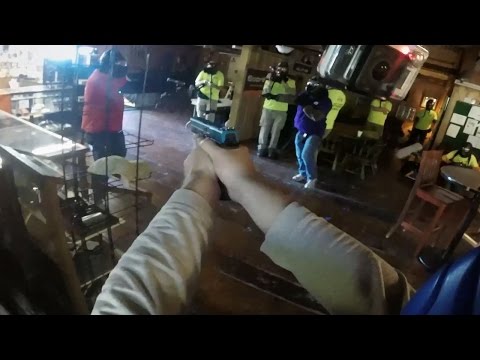
This video demonstrates a close-quarters training drill focusing on drawing a firearm, tactical movement backwards (egress), and maintaining situational awareness. The exercise emphasizes maintaining weapon control while creating distance from a threat, navigating obstacles, and scanning the environment. It highlights common human reactions under stress and the importance of conditioning to manage them.

Quick Summary

This close-quarters firearm training drill focuses on drawing, tactical egress, and maintaining situational awareness. It highlights the importance of conditioning against common human stress reactions like tunnel vision and the need to create distance from threats, referencing the '21-foot rule'.

Chapters

  1. 00:00Introduction & Sponsors
  2. 00:22Close Quarters Movement Drill Setup
  3. 00:39Executing the Movement Drill
  4. 01:37Drill Completion and Reholstering
  5. 02:10Scenario Re-setup and Briefing
  6. 02:44Scenario Execution Start
  7. 03:09Participant's After-Action Review (Crowbar Threat)
  8. 03:39Participant's After-Action Review (Secondary Threat)
  9. 04:00Analysis of Tunnel Vision and Stress Response
  10. 04:32Understanding Human Reactions Under Fire
  11. 04:45Mistakes Made: Engaging Bystanders
  12. 05:12Key Takeaways: Awareness and Control
  13. 05:44Distinguishing Training from Competition
  14. 05:56Concluding Thoughts

Frequently Asked Questions

What is the primary focus of the close-quarters training drill shown in GunVenture?

The drill emphasizes drawing a firearm, executing tactical backward movement (egress), and maintaining situational awareness. It aims to train participants to create distance from a threat while keeping the weapon on target and navigating potential obstacles.

What are common human reactions that tactical training aims to condition against?

Tactical training seeks to condition against common human reactions under stress, such as tunnel vision, freezing, or going to the ground. These reactions can hinder effective threat management and egress, making conditioning crucial for self-defense.

How does the '21-foot rule' influence close-quarters self-defense strategy?

The '21-foot rule' suggests a close-range threat, like one with a knife, can cover significant distance quickly. This emphasizes the critical need for immediate action, drawing a firearm, and creating distance to gain a tactical advantage.

What is the importance of maintaining situational awareness in a dynamic threat scenario?

Maintaining situational awareness is vital to perceive all threats, including secondary ones, and to avoid engaging innocent bystanders. Losing awareness can lead to critical errors and compromised safety for oneself and others.

Related News

All News โ†’

More Training & Techniques Videos You Might Like

More from Gun Talk Media

View all โ†’