Stance and the AR-15: Modern Sporting Rifle Tip - Modern Defensive Training Systems

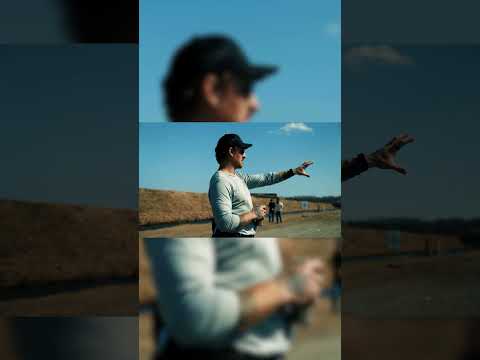
This video details the proper stance and four points of contact for shooting the AR-15. It emphasizes a stable lower body platform with bent knees and a forward lean, along with specific upper body positioning to avoid snags and minimize exposure. Key contact points include a high strong-hand grip, a firm shoulder weld, bringing the gun to the face for a cheek weld, and a support hand grip with index finger pointing towards the muzzle.

Quick Summary

The proper AR-15 stance involves bent knees, a forward lean, and a shoulder-width base with one foot slightly back. Key contact points include a high strong-hand grip, a firm shoulder weld, bringing the rifle to your face for a cheek weld, and indexing the support hand towards the muzzle.

Chapters

  1. 00:12Introduction: AR-15 Stance Basics
  2. 00:33Lower Body Platform: Stance & Mobility
  3. 01:17Upper Body Positioning: Elbows & Cover
  4. 03:021st Point of Contact: Strong Hand Grip
  5. 04:232nd Point of Contact: Shoulder Weld
  6. 04:433rd Point of Contact: Cheek Weld
  7. 05:454th Point of Contact: Support Hand Grip

Frequently Asked Questions

What is the correct stance for shooting an AR-15?

Adopt a shoulder-width stance with knees bent and a slight forward lean from the waist. Position one foot slightly back to help manage recoil and maintain mobility during shooting.

How should the upper body be positioned when shooting an AR-15?

Keep your elbows down, not flared out. This prevents snagging on obstacles like door frames and minimizes your exposed profile when using cover, creating a stable shooting platform.

What are the four critical points of contact for shooting an AR-15?

The four points are: the strong hand grip (high on the beaver tail), the shoulder weld (firm buttstock contact), the cheek weld (bringing the rifle to your face), and the support hand grip (indexing towards the muzzle).

Why is the strong hand grip important on an AR-15?

The strong hand grip should be high into the beaver tail or tang, similar to a pistol grip. This provides maximum control and allows for potential one-handed operation if necessary.

Related News

All News →

More Training & Techniques Videos You Might Like

More from NSSF—The Firearm Industry Trade Association

View all →