The 1911 Handgun Social Experiment - WROL 2025 Edition

Published on August 3, 2025
Duration: 44:13

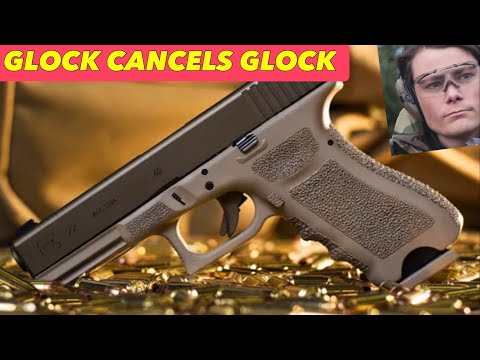
This video provides an in-depth comparison of the 1911 platform versus modern striker-fired handguns like the Glock 19 Gen 5, focusing on their suitability for concealed carry and Without Rule of Law (WROL) scenarios in 2025. The instructor, with extensive experience in both platforms, details critical factors such as weight, capacity, reloads, recoil, maintenance, environmental resilience, modularity, cost, and the impact of stress on performance. The analysis concludes that while the 1911 is a rewarding platform for dedicated marksmen, modern striker-fired handguns like the Glock offer superior reliability, simplicity, and logistical advantages for the average user, especially in high-stress or austere environments.

Quick Summary

For concealed carry and WROL scenarios in 2025, modern striker-fired handguns like the Glock 19 Gen 5 generally outperform the 1911. Glocks offer superior reliability, higher capacity, lighter weight, simpler operation, and better environmental resilience, making them more practical for the average user than the 1911's precision but demanding nature.

Chapters

  1. 00:00Introduction: 1911 vs Glock Philosophy
  2. 01:11The Real Enemy: Safety Warning
  3. 03:21Video Categories: Concealed Carry & WROL
  4. 04:05Instructor's 1911 Experience
  5. 06:07Focus: Practical Application, Not Nostalgia
  6. 07:09Training Consistency is Key
  7. 08:14Platform Comparison: 1911 vs Glock 19 Gen 5
  8. 10:02Talking Point 1: Weight Comparison
  9. 11:26Talking Point 2: Capacity and Ammunition
  10. 12:44Talking Point 3: Reload Speed
  11. 15:17Talking Point 4: Recoil and Follow-up Shots
  12. 17:16Talking Point 5: Maintenance Requirements
  13. 20:30Glock's Minimal Upkeep & Durability
  14. 21:40Talking Point 6: Drop Safety & Environmental Resilience
  15. 23:50Talking Point 7: Parts and Upgrades (Modularity)
  16. 25:26Talking Point 8: Cost and Logistics
  17. 26:44Ammunition Cost and Availability
  18. 28:17Average Gun Owner Training Habits
  19. 29:07Skill Transferability Under Stress
  20. 32:24Stress Impacts Decision-Making
  21. 33:27Summary: Craftsman vs. Average User
  22. 34:27Performance Potential & Training Mandates
  23. 35:48WROL Considerations: 1911 vs Glock
  24. 37:52Final Takeaways & Recommendations
  25. 41:35Closing Thoughts: Cool vs. Consistent
  26. 42:40Glocks Keep Running When You Stop Carrying
  27. 43:35Outro & Call to Action

Frequently Asked Questions

What are the main differences between a 1911 and a Glock for concealed carry?

The 1911 is generally heavier, has lower capacity, and requires more maintenance and training than a Glock. Glocks are lighter, hold more rounds, are more reliable in harsh conditions, and are simpler to operate, making them more practical for average concealed carriers.

Is a 1911 suitable for a Without Rule of Law (WROL) scenario?

While a 1911 can be used by an expert marksman, it's generally less suitable for WROL scenarios due to its complexity, lower capacity, higher maintenance needs, and the scarcity of .45 ACP ammunition compared to 9mm. Glocks offer superior reliability, simplicity, and logistical advantages in such situations.

How much training is required to effectively carry a 1911?

Carrying a 1911 effectively requires significant commitment. This includes weekly dry fire, monthly live fire, annual training courses, quarterly competitions, and rigorous maintenance. A minimum of 600 rounds should be fired to ensure reliability before carrying.

Why are Glocks considered more reliable than 1911s?

Glocks have simpler mechanisms, fewer parts, and are designed for high reliability with minimal maintenance, tolerating abuse and harsh environments better. 1911s, with their more intricate designs and tighter tolerances, require more frequent cleaning and lubrication to maintain optimal function.

Related News

All News →

More Training & Techniques Videos You Might Like

More from Trench Grenade

View all →